 9900550134
 info@dheehospitals.com


 Trauma and Orthopaedics
 Pediatrics
 Gastroenterology
 Obstetrics and Gynecology
 Neurosurgery and Neurology
 Family Medicine
 Cardiology
 General Medicine
 Oncology and Immunology
 Oncology
 Nephrology
 Nutrition and Dietetics
 Adult Intensive Care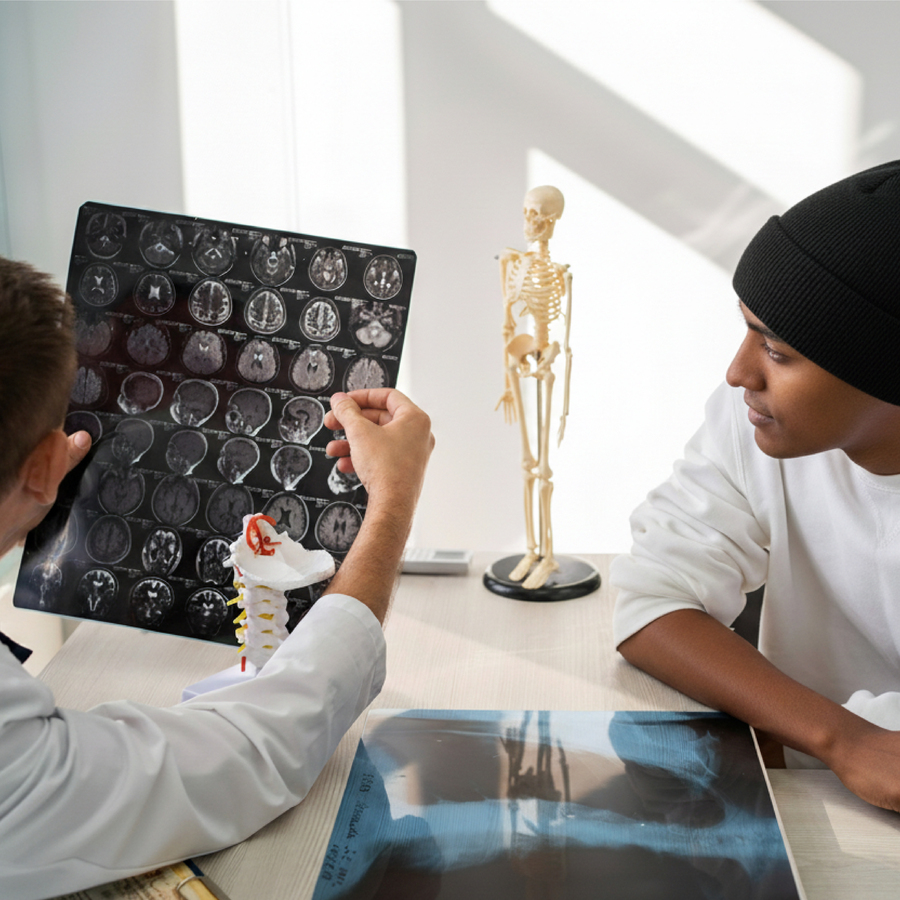
What Is Neuro-Trauma (Brain and Spine Injuries)?
Neuro-trauma is a medical term used to describe sudden, injurious, unexpected changes in the brain, spinal cord, or peripheral nerves resulting from an act of nature, such as an accident. The injuries are acute trauma and involve complex and often debilitating medical emergencies that need active treatment by specialized trauma neurosurgeons. Common causes include:
- Road traffic accidents
- Falls from height
- Sports-related injuries
- Workplace accidents or violence
Early intervention can prevent permanent neurological damage, paralysis, or potentially deadly sequelae.
Who Needs Neuro-Trauma Treatment?
Neuro-trauma treatment is needed when someone is concerned about:
- Head injury or probable brain injury
- Spinal trauma is related to pain, weakness, or loss of movement.
- Neurological symptoms after an accident
- Loss of consciousness after trauma
A trauma neurosurgeon can save a life by quickly evaluating the situation.
Why Choose Neuro-Trauma Treatment in Bangalore at DHEE Hospitals?
People visit DHEE hospitals for a treatment of neuro-trauma for reasons, such as –
- Advanced CT, MRI, and neuro-monitoring facilities
- Well-advanced ambulance and emergency response systems
- Full comprehensive rehabilitation and long-term neurologic care
As such, Bangalore is an appropriate city for intensive neuro-trauma rehabilitation.
Common Conditions Treated Under Neuro-Trauma
DHEE Hospitals serves a broad spectrum of neuro-trauma conditions, such as:
- Traumatic Brain Injury (TBI)
- Head trauma with internal bleeding of the brain
- Skull fractures
- Spinal cord injury
- Spinal fracture and instability
- Trauma after penetrating the brain or spinal cord
Treatment for each condition uses evidence-based, tailored protocols of care.
Advanced Procedures & Treatments
Our neuro-trauma unit offers surgical procedures that are more advanced, such as:
- Emergency brain surgery to manage bleeding and swelling
- Decompressive craniectomy to reduce life-threatening brain pressure
- Spine stabilization and fixation using modern implant technologies
- Spinal decompression surgery to relieve nerve or cord compression
Minimally Invasive & Supportive Techniques
As much as possible, we use:
- Microsurgical trauma procedures
- Image-guided neurosurgery
- Sophisticated neuro-ICU monitoring systems
- Management of ventilators and life supports
These approaches improve outcomes, all while minimizing surgical trauma.
Who Needs This Treatment?
Get Your Urgent Care If You Notice:
- Loss of consciousness
- Repeated vomiting
- Seizures
- Sudden paralysis or weakness in the limbs
- Loss of bladder or bowel control
- Severe neck or back pain
Why get treatment in DHEE Hospitals for neuro-trauma in Bangalore?
- Expert Trauma Neurosurgeons
- Excellent management of complex brain and spine injuries
- Specialized in emergency and critical neurosurgery
- Backed by neurologists, anesthetists, and ICU specialists
Golden Hour Care with Advanced Infrastructure
- Emergency neurosurgery 24/7 services
- Dedicated neuro-trauma ICU
- Real-time monitoring in modern operating theaters
Outcomes & Patient-Centered Care
- Concentrate on survival, healing, and neurology
- Compassionate treatment for patients and families
- Well-respected center in Bangalore for the treatment of head injuries
Patient Journey – Emergency to Recovery
Step-By-Step Care Flow at DHEE Hospitals
- Emergency admissions and stabilization
- Rapid CT/MRI imaging
- Immediate evaluation by a trauma neurosurgeon
- Emergency surgery or surgical procedure
- Neuro-ICU & critical care observations
- Management, rehabilitation, and physiotherapy
- Neurological monitoring long-term
Such a systematic process provides continuity of care and facilitates recovery.
Benefits & Expected Outcomes
- Life-saving emergency intervention
- Reduced chance of permanent brain or spine damage
- Better function and neurological recovery
- Detailed rehabilitation and follow-up
- Safety, recovery, and patient risk
Recovery Process
- ICU care followed by step-down rehabilitation
- Recovery depends on the severity of the injury and a person’s reaction to it
- Emotional, psychological, and family support was emphasized
Safety precautions in DHEE Hospitals
- Strict infection control protocols
- Ongoing neurological surveillance
- A multidisciplinary trauma management perspective






 WhatsApp Us