 9900550134
 info@dheehospitals.com


 Trauma and Orthopaedics
 Pediatrics
 Gastroenterology
 Obstetrics and Gynecology
 Neurosurgery and Neurology
 Family Medicine
 Cardiology
 General Medicine
 Oncology and Immunology
 Oncology
 Nephrology
 Nutrition and Dietetics
 Adult Intensive Care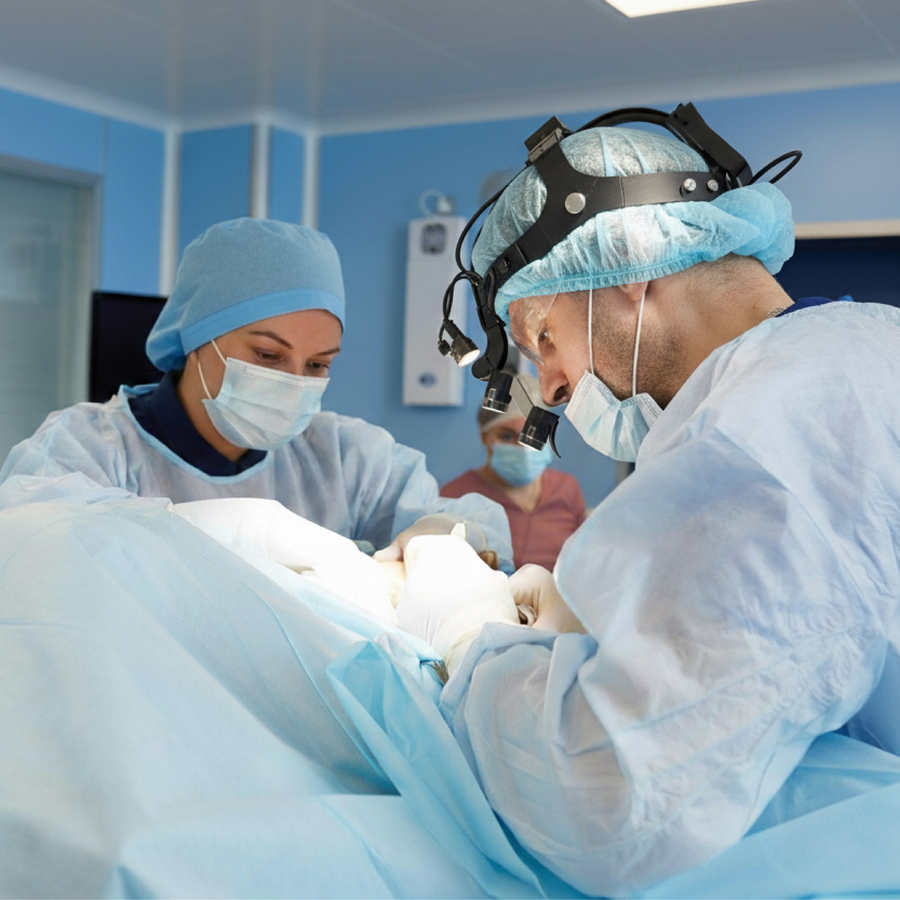
Introduction
Modern, optimized neuro-oncology care involves advanced brain tumor surgery along with an integrated tumor board approach to ensure treatment safety and effective management. At DHEE Hospitals, a state-of-the-art Neuro Oncology Hospital in Bangalore, neurosurgeons combine contemporary technology with compassionate care. The focus is on long-term recovery, helping both patients and their families feel emotionally supported throughout the recovery phase.
What Is Neuro Oncology?
Neuro-oncology is a specialized branch of medicine focused on the diagnosis and treatment of tumors of the brain, spinal cord, and nervous system. Unlike general neurosurgery, neuro-oncology emphasizes preserving brain function, maintaining neurological safety and quality of life, and treating both benign and malignant tumors.
Multidisciplinary Tumor Board Approach
Each neuro-oncology case at DHEE Hospitals is reviewed by a multidisciplinary tumor board comprising:
- Neurosurgeons
- Medical oncologists
- Radiation oncologists
- Radiologists and pathologists
This collaborative approach ensures precise diagnosis, shared decision-making, and personalized treatment plans, resulting in better outcomes and reduced risks.
Conditions Treated by Neuro Oncology Specialists
Our neuro-oncology team treats:
- Benign brain tumors
- Malignant brain tumors (brain cancer)
- Gliomas and astrocytomas
- Meningiomas
- Pituitary tumors
- Skull base tumors
- Metastatic brain tumors
- Spinal cord tumors
Advanced Neuro Oncology Procedures & Treatments
- Precision brain tumor surgery
- Microsurgical tumor removal
- Surgery focused on preserving brain function in brain cancer
- Protection of memory, speech, and movement areas
Minimally Invasive Neuro Oncology Techniques
- Keyhole brain tumor surgery
- Endoscopic brain cancer surgery
- Reduced scarring, pain, and recovery time
Advanced Technology Used at DHEE
- Fluorescence-guided brain tumor surgery
- Neuronavigation systems
- Intraoperative brain mapping
- Advanced MRI and brain imaging
These technologies enable surgeons to accurately remove tumors while preserving healthy brain tissue.
Who Needs Neuro Oncology Treatment?
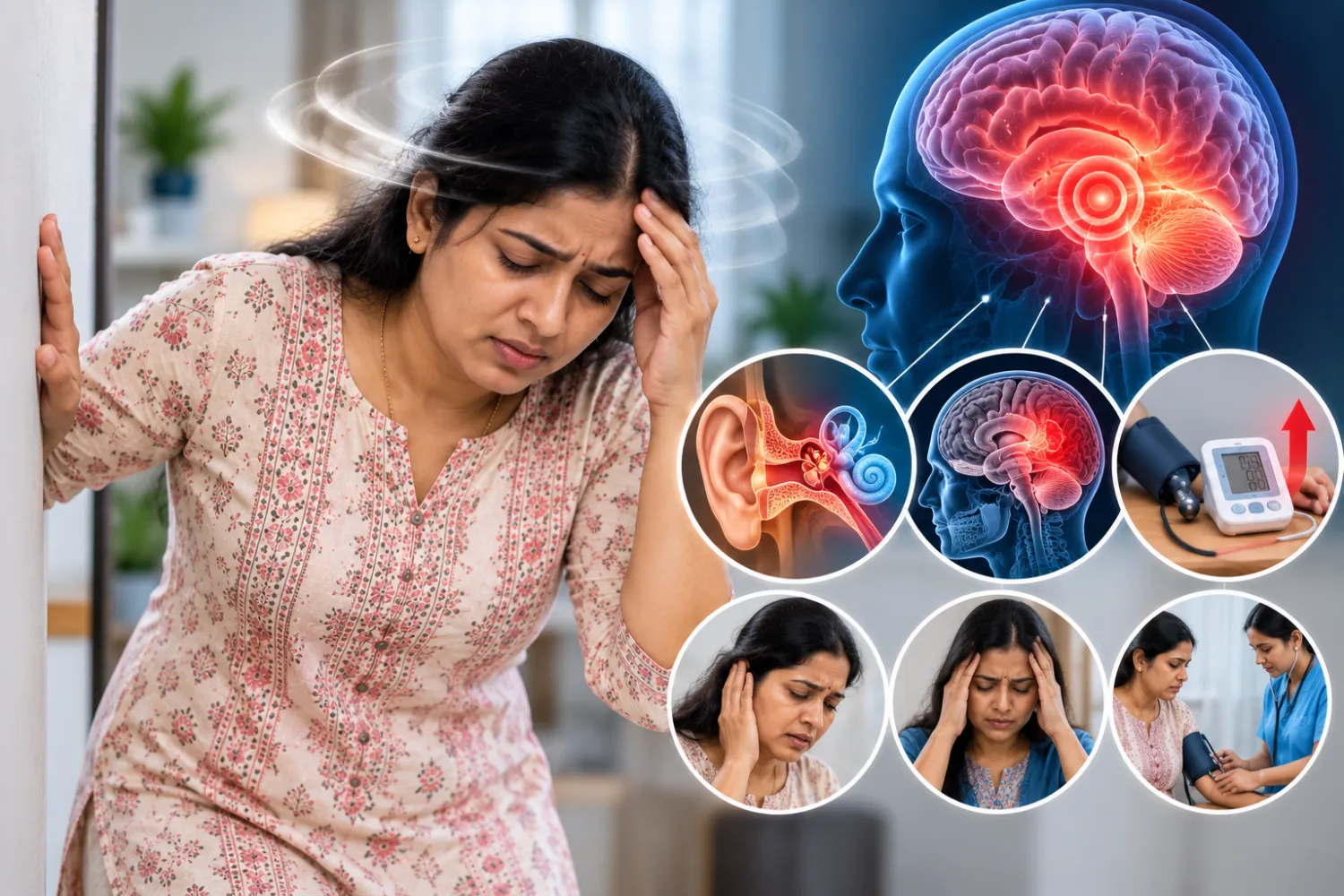
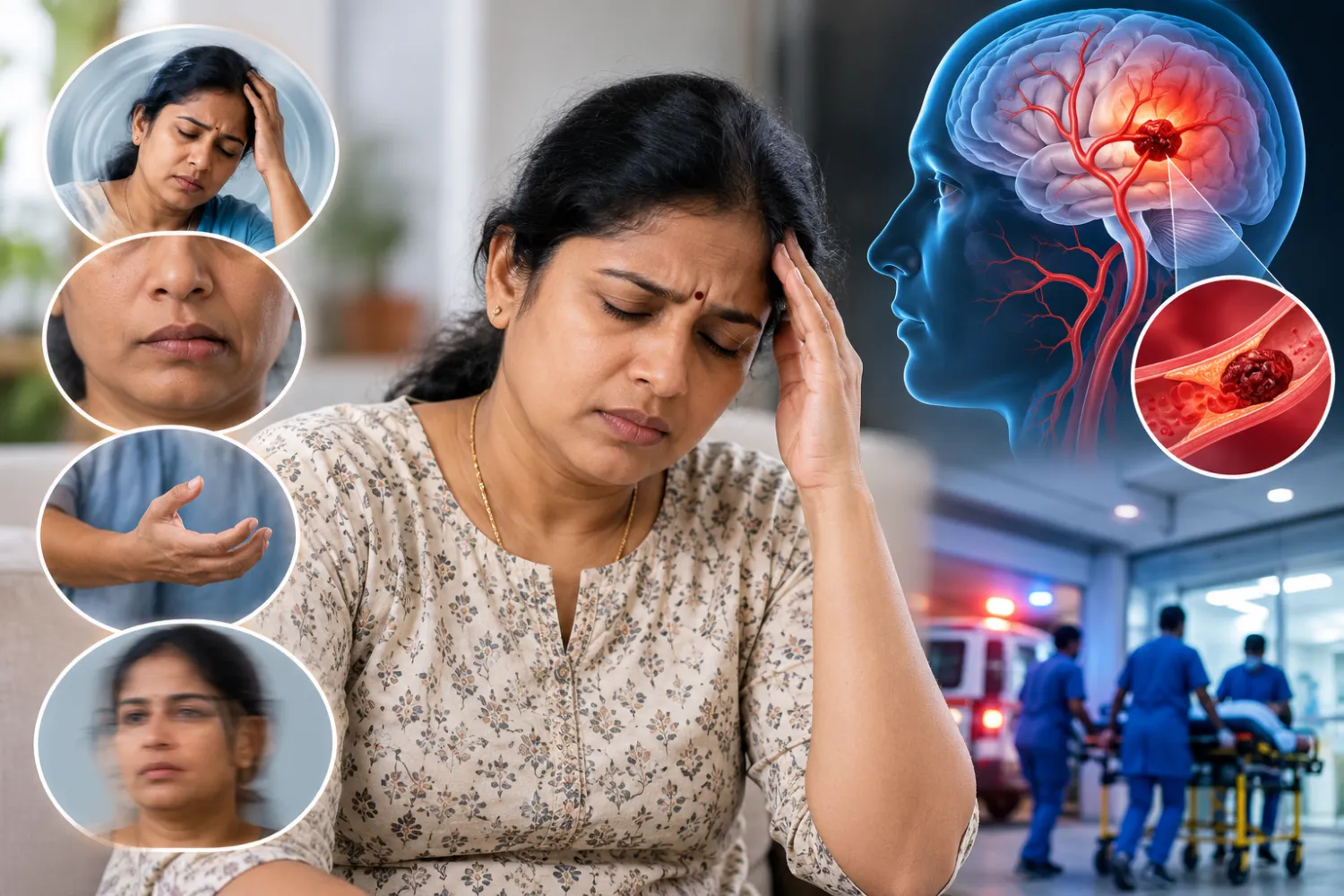
You may need evaluation by a neuro-oncology specialist if you experience:
- Persistent or worsening headaches
- Seizures or sudden fits
- Vision, speech, or hearing problems
- Weakness or numbness in limbs
- Memory or personality changes
- Balance or coordination difficulties
When to See a Neuro Oncology Specialist
- Brain or spine scan reports showing abnormal findings
- Symptoms not improving with medication
- Need for a specialist second opinion on tumor management
Why Choose DHEE Hospitals for Neuro Oncology Care?
- Specialized neuro-oncology expertise
- Neuro-oncology surgeon-in-chief leadership
- Proven experience in complex and highly sensitive tumors
- Treatment decisions guided by multidisciplinary tumor board discussions
Advanced Infrastructure & Technology
- Dedicated neuro operation theaters
- Fluorescence-guided and image-guided surgery facilities
- Neuro ICU and specialized post-operative care
Compassionate, Patient-Centric Care
- Emotional and psychological support for patients and families
- Clear communication and treatment counseling
- Compassionate long-term follow-up care
Meet the Neuro Oncology Team
Our neuro-oncology leads have extensive experience in complex brain and spinal tumor surgeries, combining surgical precision with patient-focused care.
Multidisciplinary Support Team
The care team includes medical and radiation oncologists, neuro-anesthetists, ICU staff, and rehabilitation therapists. This team-driven approach ensures optimal care from diagnosis through recovery.
Patient Journey – From Diagnosis to Recovery
- Compassionate first consultation
- Advanced imaging and diagnosis
- Multidisciplinary tumor board evaluation
- Personalized neuro-oncology treatment plan
- Surgery or targeted therapy
- Rehabilitation, recovery, and long-term follow-up
Recovery, Risks & Patient Safety
Recovery After Neuro Oncology Treatment
- Hospital stay varies based on procedure and patient condition
- Rehabilitation and physiotherapy support functional recovery
- Scheduled follow-ups for monitoring and ongoing care
Safety Measures & Risk Management
- Intraoperative brain function monitoring
- Strict infection prevention protocols
- 24/7 neuro-specialist supervision







 WhatsApp Us