 9900550134
 info@dheehospitals.com


 Trauma and Orthopaedics
 Pediatrics
 Gastroenterology
 Obstetrics and Gynecology
 Neurosurgery and Neurology
 Family Medicine
 Cardiology
 General Medicine
 Oncology and Immunology
 Oncology
 Nephrology
 Nutrition and Dietetics
 Adult Intensive Care
Published on :Nov 28, 2026
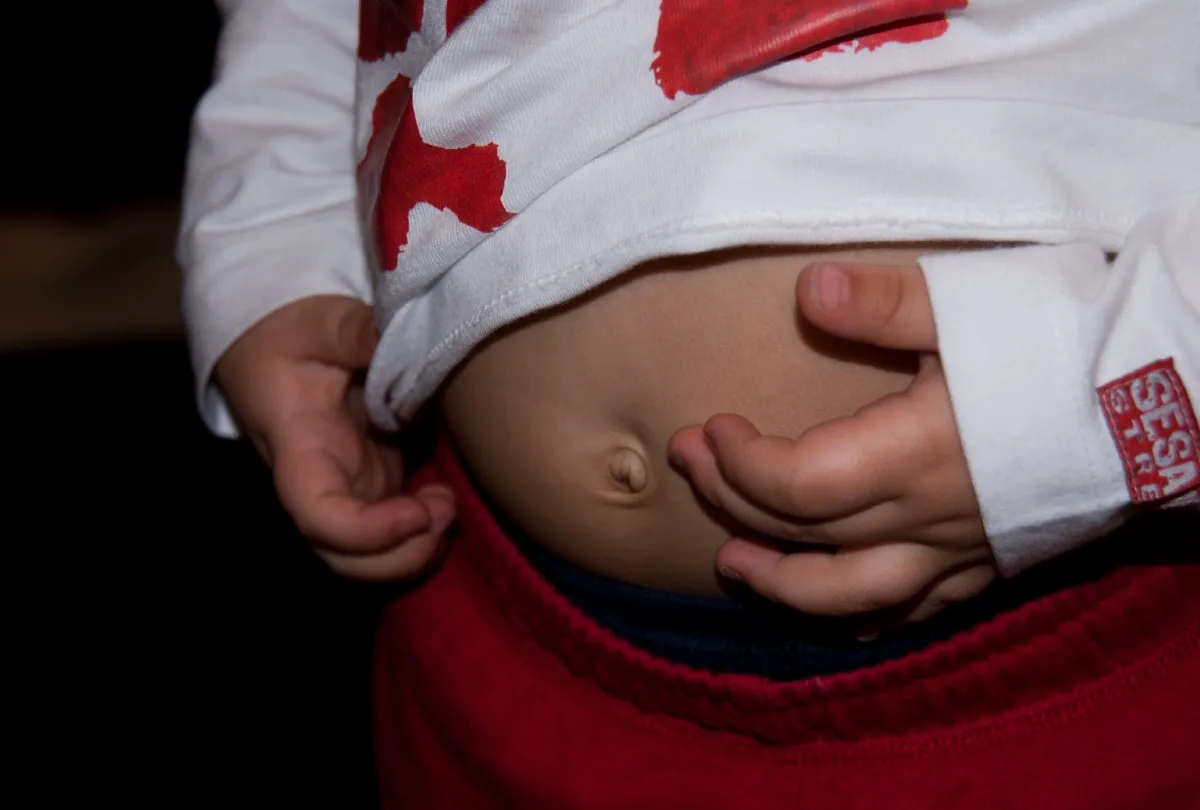
A soft bulge at the belly button may be a hernia. In young children, it often closes on its own by around age four or five. In adults, the opening usually stays, although a small, painless bulge can sometimes be monitored. Umbilical hernia surgery may be recommended if the bulge hurts, grows, or is unlikely to close on its own.
Go to the nearest emergency department if the bulge suddenly becomes painful, firm, or discoloured, especially if there is vomiting or it no longer flattens as it usually does. These can be signs that tissue is trapped. Do not try to force the bulge back in.
What is a belly button hernia?
It happens when fat or part of the bowel pushes through an opening in the muscle wall at or near the navel. The bulge may look larger when pressure builds inside the abdomen and smaller when that pressure eases. What you see on the surface does not always tell you how large the opening is. A clinician can usually check it during a physical examination.
What are the common umbilical hernia symptoms?
The most noticeable sign is a soft lump near the navel. Adults may feel an ache or pressure when lifting, coughing, or straining. In babies, the bulge may become more visible during crying and flatten when they settle. Many children have no pain. A bulge that has been present for months still needs urgent assessment if it suddenly becomes tender or changes colour.
When does an umbilical hernia in adults need treatment?
Unlike in babies, the opening usually does not close by itself. If the bulge is very small, painless, and flattens easily, your clinician may discuss observation. An operation is more likely to be recommended if the lump is getting bigger, causes discomfort, or interferes with work or exercise.
Does an umbilical hernia in children always need surgery?
No. Most painless cases can be checked at routine visits because the opening often closes as the child grows. If it remains open around age four or five, a paediatric surgical review can help determine the next step. Earlier assessment is needed if the bulge becomes painful or tissue gets trapped. Taping a coin over the navel will not help the opening close and can irritate the skin.
When is umbilical hernia surgery an emergency?
Tissue can sometimes become stuck in the opening. If the blood supply is cut off, doctors call it a strangulated hernia. This needs emergency surgery. Warning signs include severe or increasing pain, a hard or tender lump, skin turning red or dark, and vomiting. In a baby, persistent crying with a firm, tender bulge is also a reason to seek immediate care.
How is umbilical hernia repair performed?
The surgeon moves the protruding tissue back into the abdomen and closes the opening. The approach depends on the size of the opening, the patient’s age, and whether the operation is planned or urgent.
What happens during open surgery?
The surgeon makes a cut near the navel. In children, stitches are usually enough to close the opening. In adults, a surgeon may use stitches alone for a very small opening or recommend mesh to reinforce the area and lower the chance that the hernia returns.
When is laparoscopic hernia repair considered?
In this approach, the surgeon uses a small camera and instruments through several small cuts. It may be considered for selected adults, including some with larger openings. Ask the surgeon why they recommend a particular approach and how it may affect your recovery.
What is the usual umbilical hernia recovery time?
Many patients go home on the day of a planned operation. Adults may need around one to two weeks before returning to desk work, while full recovery can take four to six weeks. A job that involves lifting may require more time. Children often feel better within several days, but their team should advise when they can return to school, playground activities, and sports.
What should you watch for at home?
Follow your discharge instructions for wound care, pain relief, and lifting. Gentle walking is usually encouraged as you feel able. Contact the surgical team if you develop a fever, spreading redness, leaking fluid from the wound, or pain that is getting worse. Severe abdominal pain or repeated vomiting needs urgent assessment.
Conclusion
Age, pain, and changes in the bulge help determine whether umbilical hernia surgery is needed. For a non-urgent assessment, book a consultation with the surgical team at DHEE Hospitals on Kanakapura Road, Bangalore.
Frequently asked questions
1. Can an adult’s hernia heal without an operation?
The opening usually remains. If the bulge is small and causes no discomfort, your doctor may recommend monitoring it.
2. Why does my baby’s navel stick out more when they cry?
Crying raises pressure inside the abdomen and makes the bulge easier to see. It may flatten again once your baby settles.
3. Does every patient need a scan?
No. A physical examination is often enough. An ultrasound or other scan may help if the diagnosis is unclear.
4. Will a belt or binder cure it?
No. A support garment may make some people more comfortable, but it does not close the opening.
5. Who should I see for an assessment?
Adults can start with a general surgeon. Children with a persistent or symptomatic bulge may be referred to a paediatric surgical team.
6. Can a hernia return after surgery?
Yes. The chance depends on factors such as the size of the opening and the method used to close it.
7. Can I drive after the operation?
Follow your team’s advice. You should be able to sit comfortably and brake suddenly, and you should not drive while taking medicines that cause drowsiness.
8. Does a painless bulge need emergency care?
A soft, painless bulge can usually be assessed at a routine appointment. Sudden pain, firmness, discolouration, or vomiting changes the urgency.





 WhatsApp Us