 9900550134
 info@dheehospitals.com


 Trauma and Orthopaedics
 Pediatrics
 Gastroenterology
 Obstetrics and Gynecology
 Neurosurgery and Neurology
 Family Medicine
 Cardiology
 General Medicine
 Oncology and Immunology
 Oncology
 Nephrology
 Nutrition and Dietetics
 Adult Intensive Care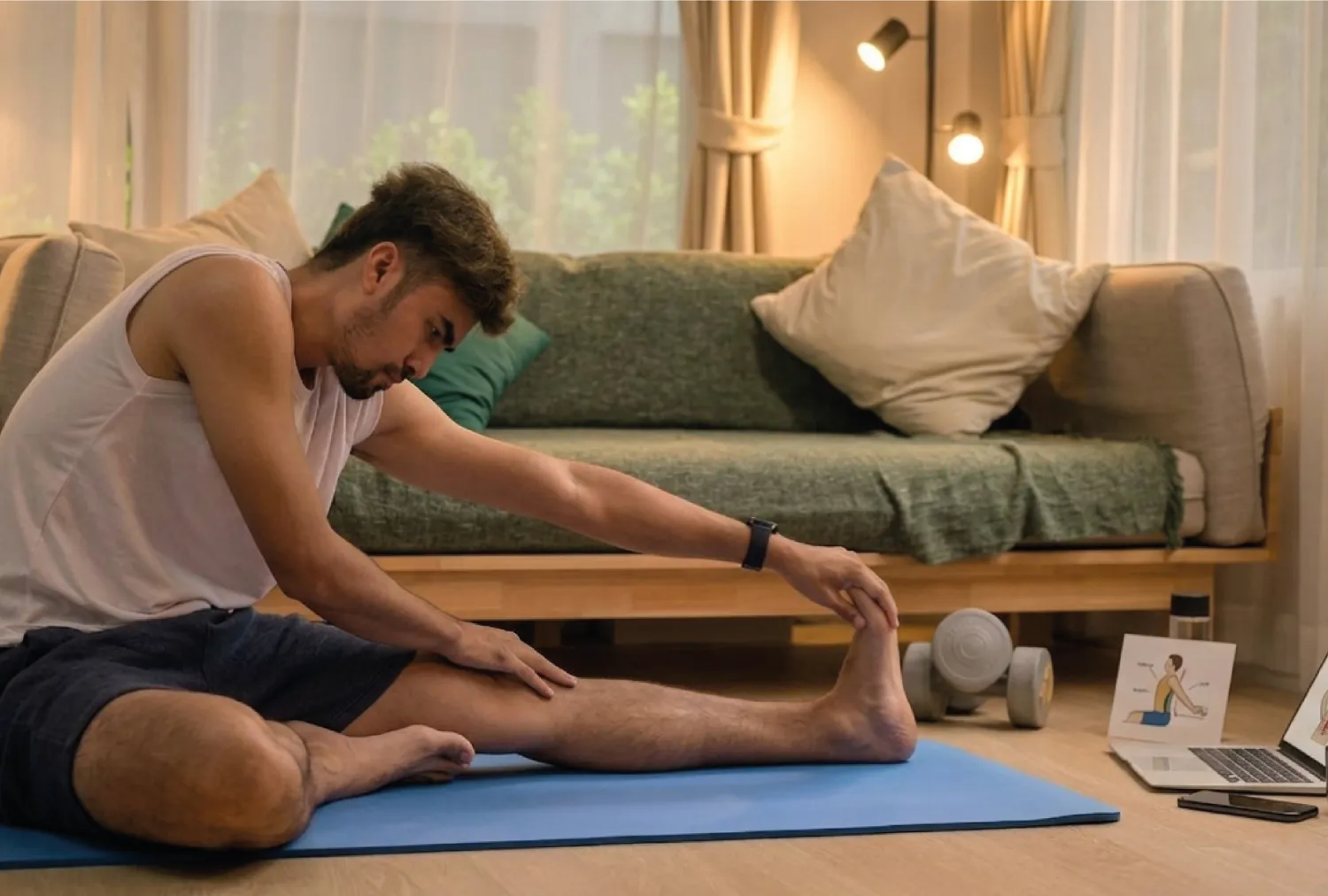
Published on :May 15, 2026
As the amount of time spent online continues to rise, spinal health is losing its place in the priorities of the majority of people. According to a recent survey, almost 80% of adults will suffer from a significant amount of spinal discomfort during their lifetime.
Thankfully, there are several back and neck pain relief exercises that can be done at home regularly to get effective treatment. Adding these to our daily lives will help counteract the effects of living a sedentary lifestyle.
In fact, you must commit ten minutes daily to simple stretches to relieve back and neck pain at home without the use of medications and return your body to its natural alignment.
Effective Home Stretches for Back Pain
The lumbar (lower back) usually takes on the majority of your body weight and is often subjected to poor posture. Performing home stretches for back pain will help to relieve some of the weight off of your spine by decompressing it, as well as lengthening your shortened hamstrings through stretching the lumbar area of your spine and/or the hamstrings.
Essential Lower Body Movements
For anyone who wants to perform some morning stretches for back pain relief, beow are some of the most effective ones:
- Child’s Pose: Kneel down and then extend your forearms. This position helps alleviate some of the pressure from sitting for prolonged periods of time and stretches the muscles and tendons associated with the back.
- Knee-to-Chest: To do this exercise, lie on your back with your knees bent. Using your hands, gently pull your left knee closer toward your chest (towards your chin), while keeping your right leg straight on the floor.
- Cat-Cow Stretch: To do this exercise, lie on your side with both knees bent, keep your knees together. With both hands grasping your ankles/feet, gently lift your head up till your forehead is even with your knees without bringing your chest off the ground (hold for ten seconds).
Targeting Neck Stiffness and Desk Fatigue
You may be experiencing “tech neck” if you are spending large amounts of time in front of a computer. To avoid headaches and stiffness caused by desk job neck pain, use desk job neck stretches every day.
Relieving Cervical Tension
Using slow motions and deep breathing will help alleviate neck pain. Lateral tilts (ear towards shoulder) are an instant way of stretching upper trapezius muscles to relieve neck pain. Chin tucks provide neck pain relief stretches and strengthen deep neck flexor muscles, as well as improving posture.
For busy professionals who have little time to engage in desk job neck pain exercises, performing shoulder rolls or twisting from a seated position can produce fast results for easing neck stiffness.
Creating a Sustainable Daily Routine
The key to relieving chronic back pain without using medications is creating a routine for daily stretching. A daily stretching routine for pain relief does not have to be high-intensity. All you need to do is keep doing it on a daily basis. Many people discover that yoga for back and neck pain, especially the Downward-Facing Dog pose, releases muscular tension more completely than traditional forms of exercise do.
Tips for Safe Stretching
- Stretch Easily: Smooth, controlled motion is key to successful stretching exercises for lower back and neck pain.
- Listen to Your Body: These simple stretches for a tight neck/upper back are meant to provide a ‘good’ strain, not a sharp pain.
- Breathe Deeply: While stretching and creating muscle fatigue, oxygen relaxes muscles.
If your pain continues after completing a regular daily stretching program for relief, you must book your appointment at DHEE Hospitals now!
FAQs
1. How long should I hold each stretch?
To gain the full benefits of stretching, hold the stretch for 20 – 30 seconds. This allows time for the muscle fibres to fully elongate.
1. I have a “herniated disc” Can I stretch my back?
You should always speak to a physician before stretching. While stretching can benefit many people, there are ways that certain types of movements can exacerbate a herniated disc.
2. Why does my neck feel stiffer after I’ve done some stretching?
You may be over-stretching or “forcing” the stretch. Stretching should always be done in a gentle manner, and you should never go beyond the point of moderate pain.
3. Should I use heat or ice before I start my stretching?
Using heat can help warm your muscles and make your stretching routines much more effective and comfortable.
4. How long will I have to wait before I see results from stretching?
Most people feel relief immediately after transitioning into a stretch; however, improving your posture takes 2 – 4 weeks of practice on a daily basis.
5. Am I safe to do these kinds of stretches if I am elderly?
You can do these stretches; however, they may need modifications. If you are using a chair to provide support for you while you are doing the stretches, you can prevent a fall while providing tension relief.
6. Can dehydration cause neck and back pain?
Yes. Your discs are primarily composed of moisture; therefore, when you’re well hydrated, the discs will remain hydrated and pliable.
8. What is the best time of day to stretch?
Morning is great for stiffness, but evening stretching can help release the stress accumulated during the workday.





 WhatsApp Us