 9900550134
 info@dheehospitals.com


 Trauma and Orthopaedics
 Pediatrics
 Gastroenterology
 Obstetrics and Gynecology
 Neurosurgery and Neurology
 Family Medicine
 Cardiology
 General Medicine
 Oncology and Immunology
 Oncology
 Nephrology
 Nutrition and Dietetics
 Adult Intensive Care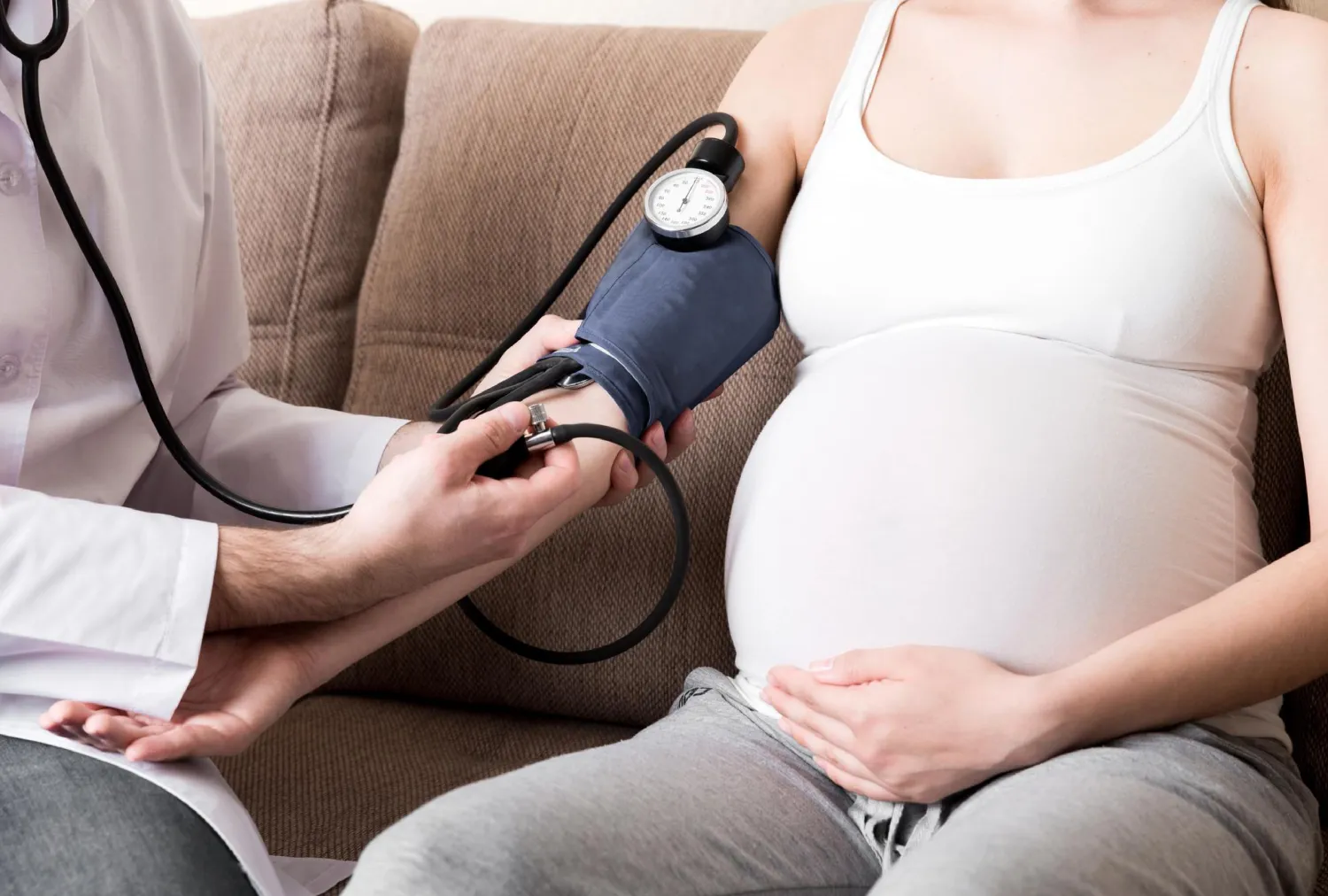
Published on :May 22, 2026
Research suggests that 5-10% of pregnancies in India experience preeclampsia, which is one of the top causes of maternal and fetal morbidity. Fortunately, if women complete regular antenatal check-ups and are aware of the preeclampsia warning signs in pregnancy, they can identify it early and preserve the health of both themselves and their babies.
Understanding High Blood Pressure During Pregnancy
Pregnancy brings about many physiological changes. However, any rise in blood pressure during pregnancy after 20 weeks may indicate preeclampsia. The preeclampsia warning signs in pregnancy generally appear silently first. Many women experience sudden swelling and feeling unwell but blame it on other symptoms common to pregnancy. The following are warning signs to watch for with preeclampsia:
- Severe headaches that don’t go away
- Vision changes, such as blurred sight or flashing lights
- Upper abdominal pain, usually on the right side
- Sudden weight gain or reduced urination
Protein in urine during pregnancy is one of the primary signs doctors will examine for via a urinalysis. It is indicative that there is pressure being placed on the kidneys. Swelling of the feet is dangerous if it occurs suddenly and/or severely. Swelling of the feet is a normal process associated with pregnancy and usually decreases with appropriate rest.
Preeclampsia Symptoms and Treatment
Detection and management of hypertension include categorising blood pressure’s timing, frequency, severity, and contributing causes. Prenatal care includes frequent blood pressure checks throughout pregnancy.
Mild preeclampsia provides a good outcome through resting, monitoring, and medication. In more severe cases, hospitalisation may be necessary, and/or the baby may need to be delivered early.
The common preeclampsia risk factors include:
- First-time pregnancy,
- Being more than 35 years or less than 20 years old,
- Twin & multiple pregnancies,
- Obesity,
- Having diabetes prior to pregnancy,
- Having high blood pressure prior to pregnancy,
- And having preeclampsia in her family.
Eclampsia is the more dangerous end of preeclampsia, and occurs when a woman with preeclampsia experiences grand mal seizures.
Preventing progression to eclampsia is important, as is monitoring pregnant women for eclampsia when they are discharged after delivery. Some women may still develop preeclampsia after delivery, usually within the first few days or until six weeks postpartum, so they must continue their blood pressure monitoring after delivery.
The classic signs of preeclampsia are high blood pressure combined with protein in the urine during pregnancy. Swollen feet during pregnancy should be immediately discussed with the physician, following the persistence of headache, and visual disturbances.
Taking Care of Yourself and Your Baby
Go to your prenatal appointments regularly. Keep track of how much weight you gain, your blood pressure, and any other symptoms you experience. Try to sleep on your left side as much as you can, eat healthy and drink plenty of water.
The way preeclampsia is diagnosed and treated has come a long way over the years, and early detection leads to good outcomes. Knowing if you are at a higher risk of developing eclampsia or preeclampsia will help you stay vigilant and aware, so book your appointment at Dhee Hospital for effective treatment.
FAQs
Q: Is there any one sign that means I could develop preeclampsia?
Yes, there are four symptoms that are significant indicators of needing medical evaluation: a severe headache, vision changes, nausea or indigestion (upper abdominal pain), and/or sudden swelling of the face, hands or feet.
Q: Is high blood pressure in pregnancy dangerous?
Yes, high blood pressure is a common sign of preeclampsia, so it is important to have your blood pressure checked regularly while you are pregnant to protect you and your baby.
Q: Why does the doctor require a urine test during pregnancy for protein?
To check for any signs of kidney dysfunction related to preeclampsia, since this is when the condition usually starts to develop.
Q: What factors increase the likelihood that preeclampsia will develop?
First-time mother, multiple pregnancies, overweight, diabetes, and prior pregnancy with preeclampsia increase your chances of developing it.
Q: What defines the distinction between eclampsia and preeclampsia?
Preeclampsia involves high blood pressure and organ dysfunction, while eclampsia involves having seizures, a severe and life-threatening condition.
Q: Is swelling of the feet during pregnancy always due to preeclampsia?
Swelling of your feet during pregnancy may not always be a sign that there is something wrong; significant swelling of the face or hands may be a sign to seek medical attention.
Q: Can preeclampsia continue developing after delivery?
Yes, you can develop preeclampsia even weeks following delivery, so make sure you monitor your health.
Q: How do you monitor/manage preeclampsia?
Blood pressure medications, testing to observe blood pressure, resting, and, depending on the level of severity, perhaps delivering earlier than planned.





 WhatsApp Us