 9900550134
 info@dheehospitals.com


 Trauma and Orthopaedics
 Pediatrics
 Gastroenterology
 Obstetrics and Gynecology
 Neurosurgery and Neurology
 Family Medicine
 Cardiology
 General Medicine
 Oncology and Immunology
 Oncology
 Nephrology
 Nutrition and Dietetics
 Adult Intensive Care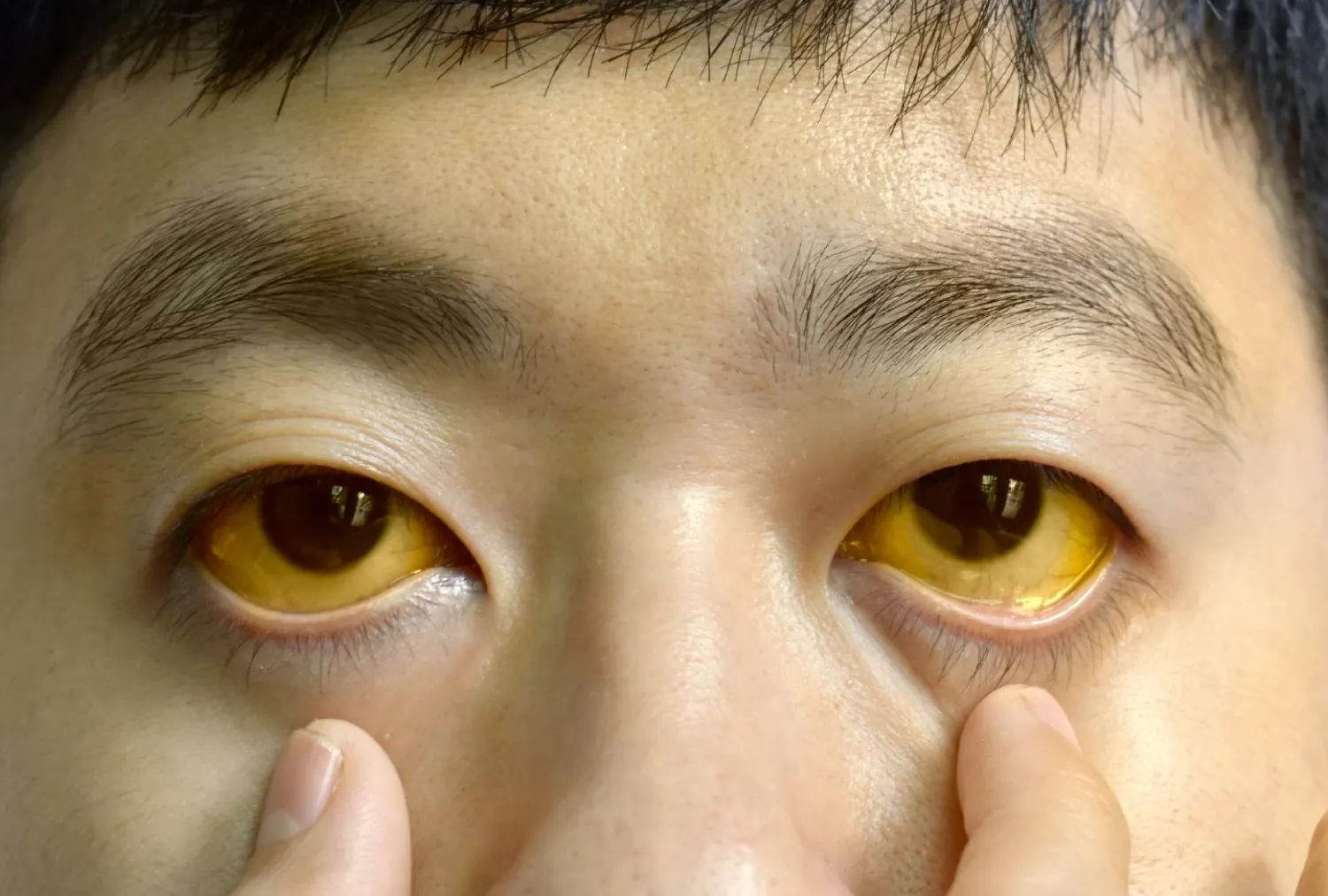
Published on :Aug 23, 2026
A sudden change in your physical appearance can be alarming. When that change involves a distinct yellowing of skin and eyes, it is a clear biological warning sign that your body’s waste-processing system is struggling. In adults, this condition is known as jaundice.
Although it is usually thought of as something that affects babies, jaundice does not represent a condition on its own. Rather, it is a visible clinical manifestation of a problem that may indicate a malfunction of the liver, gallbladder, or red blood cells. Knowing the jaundice symptoms causes can help you identify early warning signs as well as reduce the risk of serious problems in your body.
The Science Behind the Yellow Tint
Jaundice happens when a brownish-yellow substance called bilirubin accumulates in the blood and body tissues. Bilirubin is a byproduct of decomposed red blood cells.
Normally, the liver clears bilirubin from the blood, processes it, and excretes it in the digestive system along with bile. However, liver disease or an obstruction of bile ducts can lead to excess bilirubin in the body. Doctors conduct liver function tests to monitor this process by analyzing blood chemistry.
Key Stats & Facts
- Bilirubin Thresholds: Normal total bilirubin levels typically stay below 1.2 milligrams per deciliter (mg/dL). Jaundice only becomes physically visible when these levels exceed 2.5 to 3.0 mg/dL.
- The Liver Connection: Over 70% of adult jaundice cases are directly linked to underlying liver dysfunction, such as alcohol-induced damage, fatty liver disease, or viral infections.
Primary Causes and Warning Signs
Adult jaundice is usually classified according to where the defect happens in the process of processing: in advance of, in, or after the liver.
1. Underlying Liver Conditions
There is a significant correlation between liver disease and jaundice. When liver cells are inflamed or damaged (as in cirrhosis), those cells are no longer capable of filtering out waste. Viral infection is one major cause. Some early symptoms of hepatitis to watch out for include extreme fatigue, dark urine, pale stools, and abdominal pain, among others.
2. Gallbladder and Bile Duct Blockages
Even if the liver correctly processes the waste, the process could still be obstructed from occurring. A tumor, gallstones, or a benign stricture in the bile duct acts like a wall preventing processed bilirubin from being eliminated.
Navigating Treatment and Recovery
Dealing with this condition requires a very meticulous and focused medical approach. Since jaundice could be triggered by many causes, no one drug can be used to achieve a cure for it.
Clinical Management
Jaundice treatment in adults is successful based on removal of its underlying cause. In case of any viral infection, antiviral treatment is prescribed. If there is a gallstone in the duct, an endoscopy may be performed by a gastroenterologist.
Dietary Support
In addition to medical therapy, certain changes in lifestyle have a positive effect on reducing the burden on the metabolism. Jaundice diet which is based on drinking lots of fluids and consumption of fresh fruit and whole-grains while avoiding consumption of alcoholic beverages, fat and sugar helps the liver recover.
Conclusion
Jaundice in adults shouldn’t be neglected or regarded as a short-term disease. In case of some viral disease or chronic liver disease, the real difference can be made due to timely treatment. You can always book your consultation at DHEE Hospitals and get yourself back to recovery quickly.
Frequently Asked Questions (FAQs)
1. What are the normal bilirubin levels in a healthy adult?
Normal total bilirubin levels generally range between 0.2 and 1.2 mg/dL, with physical jaundice appearing only when levels surpass 2.5 mg/dL.
2. What is the standard medical jaundice treatment in adults?
Treatment depends entirely on the root cause, ranging from supportive fluids and antivirals to surgical removal of gallstone blockages.
3. What foods should be included or avoided in a jaundice diet?
You should consume leafy greens, whole grains, and plenty of water while strictly avoiding alcohol, fried foods, and heavy meats.
4. How are liver disease and jaundice biologically connected?
Jaundice is the result of liver disease affecting liver cells, which are not able to filter and remove bilirubin from the bloodstream.
5. What are the early viral hepatitis symptoms to look out for?
Some of the typical early symptoms are extreme tiredness, nausea, dark urine, pale stools, and some pain in the area of the right rib cage.
6. Why does a liver function test help diagnose the cause of jaundice?
This test looks for different levels of certain enzymes and proteins in the bloodstream, which aide in determining if the jaundice is due to damaged liver cells or affected bile ducts.
7. When does the yellowing of skin and eyes become an emergency?
If the yellowing of the skin and the eyes is associated with problems such as high fever, abdominal pain, confusion, or vomiting blood, the affected person should urgently get medical help.
8. How can DHEE Hospitals assist in treating adult jaundice?
The expert gastroenterology and hepatology team at DHEE Hospitals provides advanced diagnostic imaging, precise lab testing, and personalized medical or surgical therapies to safely restore your liver function.





 WhatsApp Us