 9900550134
 info@dheehospitals.com


 Trauma and Orthopaedics
 Pediatrics
 Gastroenterology
 Obstetrics and Gynecology
 Neurosurgery and Neurology
 Family Medicine
 Cardiology
 General Medicine
 Oncology and Immunology
 Oncology
 Nephrology
 Nutrition and Dietetics
 Adult Intensive Care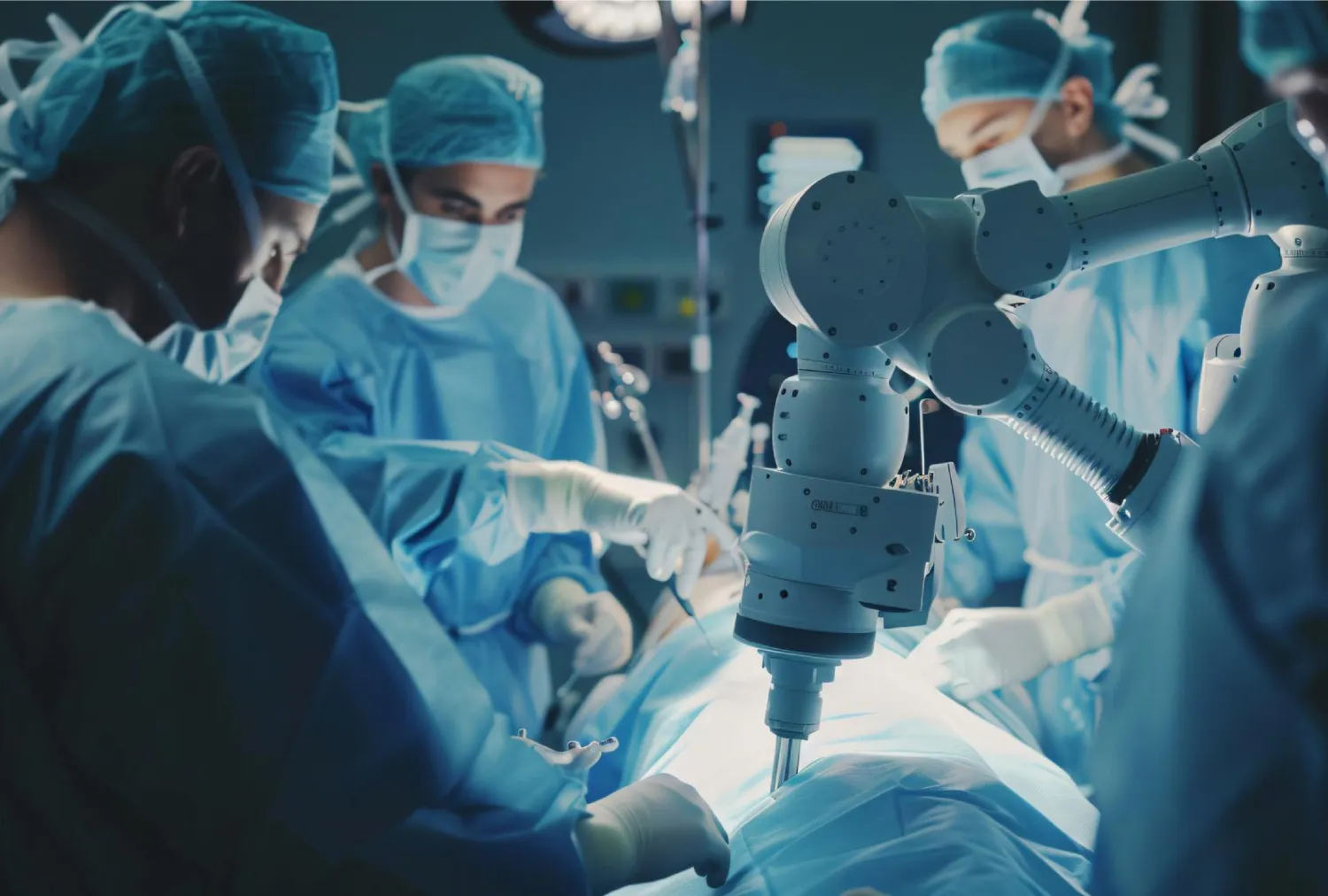
Published on :Mar 24, 2026
Knee pain caused by arthritis or injury can significantly affect your daily life. Robotic Knee Replacement Surgery is an emerging technique that is becoming a modern and highly accurate approach to the issue of numerous patients with serious joint injuries. It is a high-technology adaptation of Total Knee Arthroplasty (TKA) that is a combination of surgical dexterity and a component of robotic technology, to boost precision, low tissue damage and short-term healing.
But is it the right option for you? This guide will discuss the details of the functioning of robotic-assisted knee surgery, the advantages of robotic knee replacement surgery, and tips of a quick recovery.
Understanding Robotic Knee Replacement Surgery
Robotic knee replacement surgery is a modern variant of precision knee surgery, in which a surgeon employs a robotic-aided system to carry out the surgery more precisely. Unlike the common beliefs, the robot does not undertake the surgery on its own. Rather, it aids the surgeon with high-quality 3D visualization, real-time directions and control of instruments.
The surgery is usually suggested to patients with advanced osteoarthritis treatment requirements, extensive cartilage degeneration, and deformity of the joints that are out of control in terms of treatment by means of medication or physiotherapy.
Preoperative Robotic systems construct a three-dimensional digital map of the knee joint. This gives the surgeons an opportunity to base the surgery on the anatomy of the patient and implant it with high precision. The studies indicate that robotic-assisted surgeries enhance the position of the implants and precision knee surgery in comparison to conventional techniques.
5 Major Benefits of Robotic Knee Replacement
1. Exceptional Surgical Precision
Accuracy can be regarded as one of the benefits of robotic knee replacement surgery. The robotic system assists surgeons in making accurate cuts on the bone and also aligns the implant perfectly as per the anatomy of the patient.
An enhancement in the placement of implants enhances the stability of the joint and minimises the wear of the artificial joint, which may extend its longevity.
2. Minimally Invasive Joint Replacement
Robotic surgery can also entail smaller cuts than conventional operations. This joint replacement is a minimally invasive joint replacement procedure that causes minimal damage to the surrounding muscles and tissues.
The outcome is decreased blood loss, reduced chance of complications and decreased post-operative pain. The lesser cuts also result in superior aesthetics and quicker recovery.
3. Reduced Pain and Faster Recovery
Knee surgery in patients is commonly conducted with robotic assistance, resulting in less post-surgery pain and faster mobility. The comparison of robotic and conventional TKA studies has revealed that robotic surgery has the potential to decrease the pain levels and reduce the length of stay.
Tissues are preserved, and surgical injury is reduced; this means that many patients can start the rehabilitation earlier and recover more quickly.
4. Personalized Surgical Planning
Surgeons are able to create a specific surgical plan prior to going into the operating room using robotic systems. The technology examines the movement of the joints, the bone structure, and the balance of the ligaments such that the implant fits perfectly.
This customized treatment is used to produce more natural movement of the joints and better results in the long term.
5. Improved Implant Longevity
Precise placement of the implants is important in Total Knee Arthroplasty (TKA). Even minor misalignments may result in imbalanced wear, instability or premature implant failure. One of the significant benefits of robotic knee replacement is the ability to optimize implant positioning.
Robot technology enhances the process of positioning and aligning implants, which may minimise the possibility of revision surgery in future and improve the overall functioning of the joints.
Post-Surgery Recovery Timeline
Patient recovery depends on the patient, but procedures practiced by robots tend to recover faster than conventional surgeries.
A typical post-surgery recovery timeline may look like this:
- First 24–48 hours: Patients may begin standing and walking with assistance
- 2-4 weeks: With physiotherapy, mobility is slowly recovered.
- 6-8 weeks: The majority of the patients have returned to normal day activities.
- 3 months: Strength and flexibility improvement are greatly observed.
- 6-12 months: Complete recovery and optimum joint functioning.
When the knee is weak and lacks flexibility, early movement and assisted physical therapy is important in regaining knee strength and flexibility.
Tips for Faster Recovery After Robotic Knee Replacement Surgery
To achieve the best results after surgery, follow these expert recovery tips:
1. Start physiotherapy early
Organized exercise rehabilitates the mobility and makes the muscles around it stronger.
2. Follow your surgeon’s rehabilitation plan
It is necessary to follow exercises and restrictions of movement.
3. Maintain a healthy weight
Excessive weight will put additional strain on the knee joint and it will slow down the healing process.
4. Eat a nutrient-rich diet
Protein, calcium and vitamin D help in repairing the tissues and enhancing the bones.
5. Stay active but avoid high-impact activities
The low impact exercises such as walking, swimming and bike riding are applicable in maintaining the flexibility of the joint without putting strain on the implant.
Final Thoughts
Orthopaedic care is changing due to the development of robotic technology. Robotic-assisted surgery using precision knee surgery, minimal invasive joint replacement, and individual patient planning promises patients with chronic knee pain good results.
Whether it is more precise knee surgery, quicker recuperation and more accurate implant placement in Total Knee Arthroplasty (TKA), the benefits of robotic knee replacement are assisting a number of patients back on their feet and enhancing their quality of life.


 WhatsApp Us