 9900550134
 info@dheehospitals.com


 Trauma and Orthopaedics
 Pediatrics
 Gastroenterology
 Obstetrics and Gynecology
 Neurosurgery and Neurology
 Family Medicine
 Cardiology
 General Medicine
 Oncology and Immunology
 Oncology
 Nephrology
 Nutrition and Dietetics
 Adult Intensive Care
Published on :Oct 26, 2026
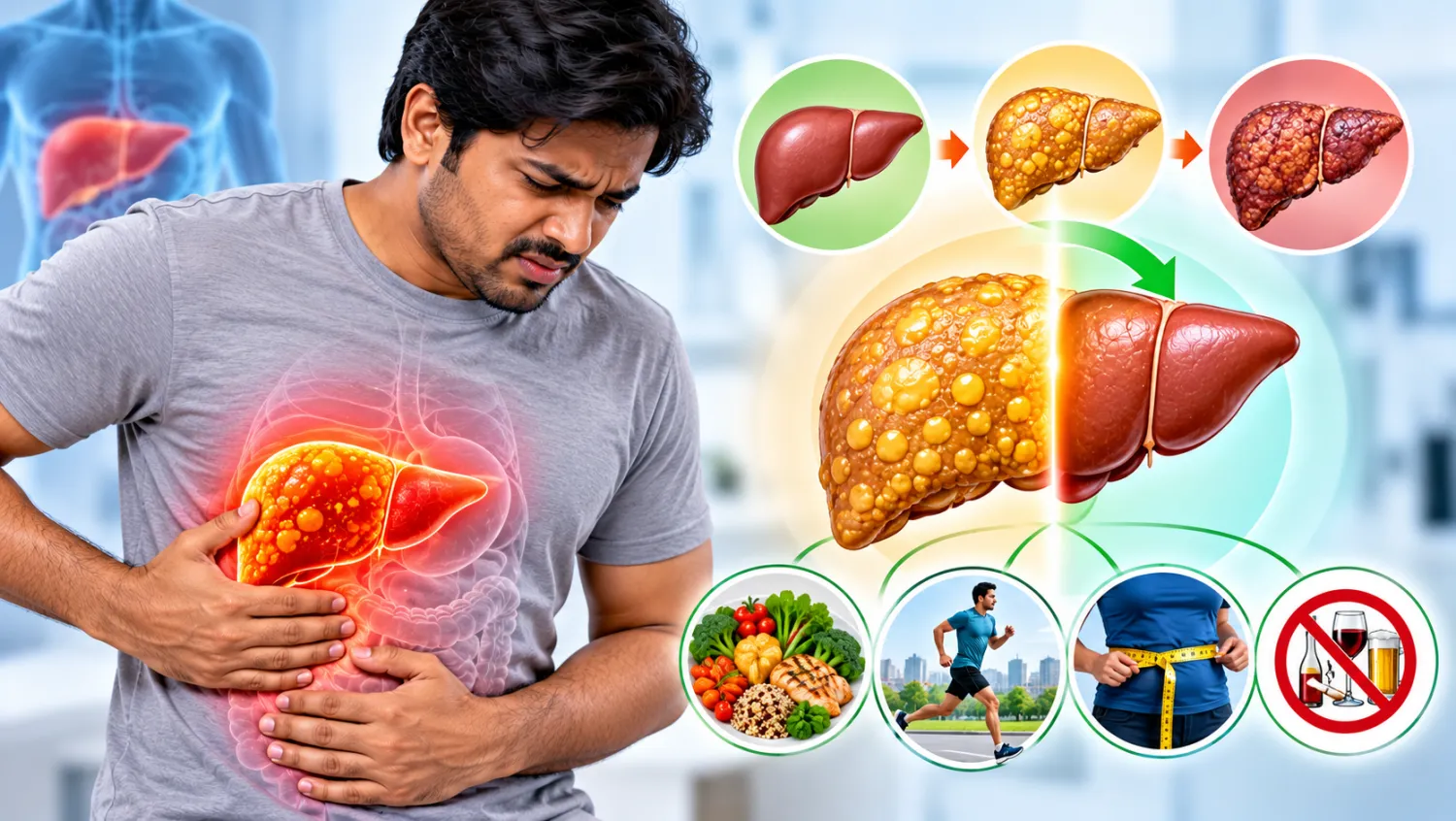
A routine scan mentions “fatty liver,” but you feel well. There is no obvious pain, and your blood reports may look reassuring. Does the finding matter, and can you reverse it?
Excess liver fat can often be reduced, particularly before significant scarring develops. However, a scan showing fat does not establish whether inflammation or scarring is already present. Assessment matters even without symptoms.
If you are searching for fatty liver treatment Bangalore, the first step is understanding your liver’s condition and the factors affecting it.
What Is Fatty Liver Disease?
Fatty liver means excess fat has accumulated in liver cells. It may be associated with metabolic conditions, alcohol use, medicines or other causes.
The condition previously called non-alcoholic fatty liver disease is now commonly described as metabolic dysfunction-associated steatotic liver disease, or MASLD.
MASLD involves liver fat alongside at least one cardiometabolic risk factor, such as type 2 diabetes, excess abdominal weight, high blood pressure or abnormal cholesterol.
Your doctor also considers alcohol intake and other possible explanations.
Can It Be Reversed?
Liver fat can decrease with sustained lifestyle changes and appropriate management of associated conditions. Inflammation may improve too, and some fibrosis can regress.
However, advanced scarring is harder to reverse and needs specialist care. Improvement cannot be guaranteed simply because you lose weight or your blood results become normal.
For fatty liver treatment Bangalore patients need two answers: how to reduce liver fat and whether there is significant scarring.
Does Everyone Develop Liver Damage?
No. Some people have fat accumulation without significant inflammation. Others develop inflammation, known as MASH, and fibrosis—the medical term for scarring.
Advanced fibrosis can progress to cirrhosis. Progression is not inevitable, but identifying higher-risk patients helps guide monitoring and treatment.
Fatty Liver Symptoms: Why Feeling Well Is Not Enough
Many people have no symptoms. The condition is often discovered during tests for something else.
Some experience tiredness or discomfort beneath the right ribs, but these symptoms are not specific to liver disease.
Do not use the absence of pain as proof that your liver is healthy.
Which Signs Need Prompt Attention?
Yellowing eyes or skin, new abdominal swelling, vomiting blood, black stools or confusion need urgent medical assessment.
These are not typical signs of uncomplicated fat accumulation and may indicate serious illness.
Which Tests Help Assess the Liver?
Liver Function Test
This blood panel includes markers that help assess liver injury and function. Your doctor interprets the individual results alongside your history.
Normal liver enzymes do not reliably exclude significant fibrosis. A reassuring result therefore does not always end the investigation.
Fatty Liver Ultrasound
Ultrasound can detect fat accumulation and assess other abdominal findings. However, it may miss mild fat accumulation and cannot reliably determine the degree of inflammation or scarring.
An ultrasound “grade” describes appearances; it is not the same as a fibrosis stage.
Fibrosis Scan for Liver
Elastography measures liver stiffness to help estimate scarring risk. It may be recommended after an initial risk assessment.
Doctors may also calculate FIB-4 using age, liver enzymes and platelet count. Results require clinical interpretation because age and other factors affect accuracy.
A biopsy is reserved for selected situations rather than needed by everyone.
What Does MASLD Treatment Involve?
Treatment addresses liver health and the metabolic conditions associated with it. Diabetes, blood pressure and cholesterol management are important alongside lifestyle changes.
For fatty liver treatment Bangalore, an individual plan should consider your weight, medicines, activity and fibrosis risk.
How Much Weight Loss Helps?
For adults with excess weight, European guidance recommends sustained loss of:
- At least 5% to reduce liver fat.
- Around 7–10% to improve inflammation.
- At least 10% to improve the likelihood of fibrosis improvement.
These are treatment goals, not promises. Weight loss should be gradual and supervised where appropriate.
People without excess weight still need assessment and tailored advice.
What Should a Fatty Liver Diet Look Like?
A practical plan focuses on food quality and portions rather than a short-term “detox.”
Build Balanced Meals
Include vegetables, pulses, suitable protein sources and higher-fibre carbohydrates. Rice or chapati does not automatically need eliminating; portions and the overall meal matter.
Choose unsaturated fats more often and reduce foods high in saturated fat.
Reduce Sugary Drinks
Sweetened tea, soft drinks, packaged juices and frequent sugary snacks can add substantial calories. Replacing sugary drinks with water is a useful starting change.
Avoid crash diets and unverified liver supplements. Some herbal products can harm the liver.
Does Exercise Help Without Weight Loss?
Yes. Physical activity can improve liver and metabolic health even when the weighing scale changes little.
Aim towards at least 150 minutes of moderate activity weekly, adjusted to your ability and medical circumstances.
Walking regularly and breaking up long periods of sitting can make the plan more manageable. Consistency matters more than starting an intense routine you cannot maintain.
Are Medicines Needed?
Some patients need medicines for diabetes, obesity or other associated conditions. Selected patients with inflammatory disease and fibrosis may qualify for specialist-directed treatment, depending on local approvals.
There is no universal tablet that replaces lifestyle changes and follow-up.
Discuss alcohol honestly. Your doctor may recommend avoiding it, particularly with inflammation or scarring.
Conclusion
Fat accumulation can often improve, but checking for scarring is essential. Sustainable habits and follow-up offer a better approach than waiting for symptoms.
For fatty liver treatment Bangalore, book a liver-health consultation at DHEE Hospitals. If you are looking for a gastroenterologist Kanakapura Road, its medical gastroenterology team can assess your reports and recommend an individual care plan.
Frequently Asked Questions
Can fatty liver occur without obesity?
Yes. Metabolic risk can exist at a normal weight.
Can normal enzymes rule out scarring?
No. Further risk assessment may be appropriate.
Is ultrasound grade the fibrosis stage?
No. They describe different aspects of liver health.
Must I stop eating rice?
No. Portions and overall dietary balance matter.
Is a liver detox useful?
Detox products are not a substitute for evidence-based care.
Will everyone need a biopsy?
No. Many patients are assessed using non-invasive tests.
How quickly can improvement happen?
Timing varies; sustained changes and follow-up are needed.
Can liver fat return?
Yes. Maintaining improvements remains important.





 WhatsApp Us