 9900550134
 info@dheehospitals.com


 Trauma and Orthopaedics
 Pediatrics
 Gastroenterology
 Obstetrics and Gynecology
 Neurosurgery and Neurology
 Family Medicine
 Cardiology
 General Medicine
 Oncology and Immunology
 Oncology
 Nephrology
 Nutrition and Dietetics
 Adult Intensive Care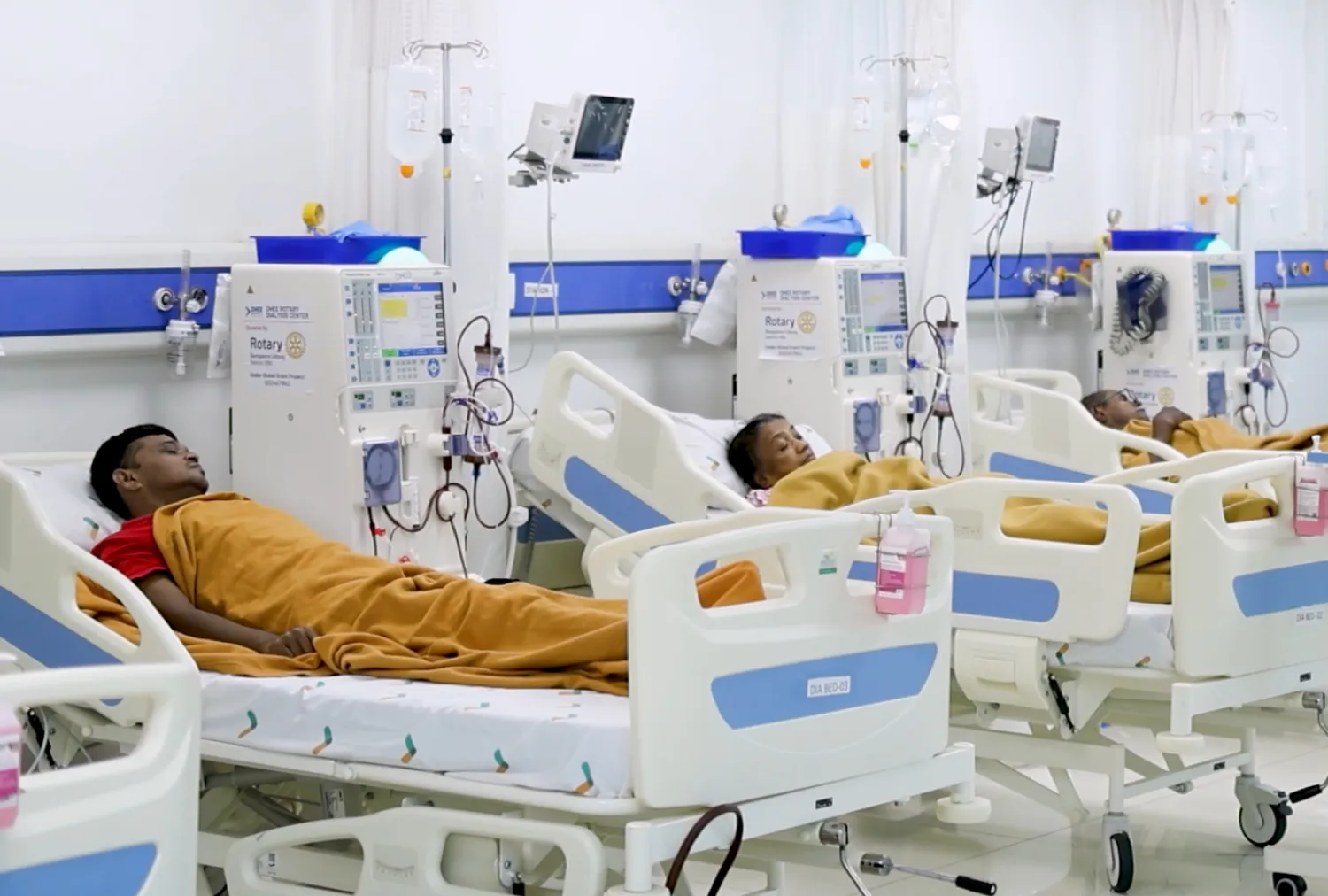
Published on :Aug 23, 2026
When the kidneys cease to remove toxins from the blood in a normal way, there comes a critical condition where the body begins to accumulate unsafe quantities of toxins. Due to advanced kidney malfunction, proper kidney failure treatment becomes necessary for survival. Dialysis is a complicated medical procedure that imitates the work of the kidneys – it acts to regulate electrolyte balance in the body and eliminates extra fluid from the system.
Core Modalities: Hemodialysis vs Peritoneal Dialysis
In dealing with the problems associated with kidney treatment, it is vital to have the knowledge of the functional differences of hemodialysis against peritoneal dialysis.
1. Hemodialysis (HD)
In hemodialysis, the procedure involves using a machine that serves as a dialysis or an “artificial kidney” machine.
- The Access Point: To facilitate this, a surgeon creates a permanent vascular access point, ideally an AV fistula, which connects an artery directly to a vein in the arm to ensure safe, high-volume blood flow.
- Dialysis Frequency: This method requires strict scheduling. The standard dialysis frequency is typically three sessions per week, with each session lasting three to four hours at a specialized clinic.
2. Peritoneal Dialysis (PD)
Peritoneal dialysis refers to a process whereby blood is filtered through the peritoneum, lining of the abdomen or inner skin. An indwelling catheter is inserted into the abdomen to enable the flow of sterile water, waste collection and drainage of the solution. The treatment does not need to be performed in a clinic and can be conveniently carried out at home.
Essential Stats & Facts
- Survival Milestone: Modern techniques for kidney failure treatment have proven to be very effective. Research has revealed that starting a dialysis treatment in a timely way may increase life expectancy by five to ten years or even more, while a patient is waiting for transplantation.
- Prevalence: According to global health data, more than two million patients receive renal replacement therapy worldwide on a yearly basis. Hemodialysis is still the most common method.
The Dialysis Procedure Explained
By knowing how a clinical session functions, patients can enjoy lower anxiety levels.
To explain dialysis in simple terms: blood is withdrawn from the points of access, passed through a dialyzer where toxins are filtered out, and returned back to the body.
Throughout the process of transference of blood, nursing professionals monitor both blood pressure and fluid removal rates in order to prevent any onset of dizziness or muscle spasms.
Navigating Life on Dialysis
In order to enjoy a good quality of life while going through dialysis, a multi-faceted approach is essential.
Dietary and Lifestyle Management
As the body cannot sufficiently process minerals from one dialysis session to another, having a proper dialysis diet is mandatory. There is a need to limit fluid, sodium, potassium, and phosphorus intake, but a sufficient protein intake should be maintained well.
Choosing a Treatment Center
Consistency is essential for patients opting for clinic-based hemodialysis in order to succeed in the long term. With access to advanced purification technology and comfortable treatment facilities in a modern dialysis center Bangalore, patients are guaranteed that they will receive superior health care services whenever they need it and get necessary help from medical professionals.
Conclusion
Transitioning to renal replacement therapy comes with some challenges, but thanks to advances in medicine, patients can expect safe and predictable results. By collaborating with professionals, patients can continue their social and professional lives normally.
Frequently Asked Questions (FAQs)
1. Is the needle insertion for hemodialysis treatment painful?
Patients feel a brief pinch during needle insertion into the AV fistula, but the filtration process itself is completely painless.
2. What are the most common side effects during a dialysis session?
After removing fluid through dialysis, patients may feel some pain in their muscles; some may suffer drops in their blood pressure and feel fatigue.
3. Why is strict fluid restriction required in a dialysis diet?
After kidney failure, fluid build-up happens quickly, so it is crucial to limit fluid intake between treatments to avoid stress on the patients’ hearts and lungs.
4. How long does a standard AV fistula take to mature before it can be used?
Typically, a surgically created fistula needs about four to twelve weeks to heal and mature enough so that it can be used regularly.
5. Can a person travel long distances while undergoing regular dialysis frequency schedules?
Yes, patients can travel by performing “temporary dialysis”, meaning they can arrange for sessions at dialysis clinics before traveling to their chosen destination.
6. What is the fundamental difference in hemodialysis vs peritoneal dialysis?
Hemodialysis cleans the blood outside the body using a machine, while peritoneal dialysis uses the abdomen’s internal lining as a natural filter.
7. How does an automated peritoneal dialysis machine work at night?
The compact machine, called a cycler, automatically performs multiple fluid exchanges while the patient sleeps comfortably at home.
8. How can DHEE Hospitals assist with my kidney care and dialysis needs?
The dedicated nephrology department at DHEE Hospitals features an advanced dialysis center Bangalore equipped with high-end tech, customized nutritional counseling, and comprehensive vascular access care to optimize your long-term health.





 WhatsApp Us