 9900550134
 info@dheehospitals.com


 Trauma and Orthopaedics
 Pediatrics
 Gastroenterology
 Obstetrics and Gynecology
 Neurosurgery and Neurology
 Family Medicine
 Cardiology
 General Medicine
 Oncology and Immunology
 Oncology
 Nephrology
 Nutrition and Dietetics
 Adult Intensive Care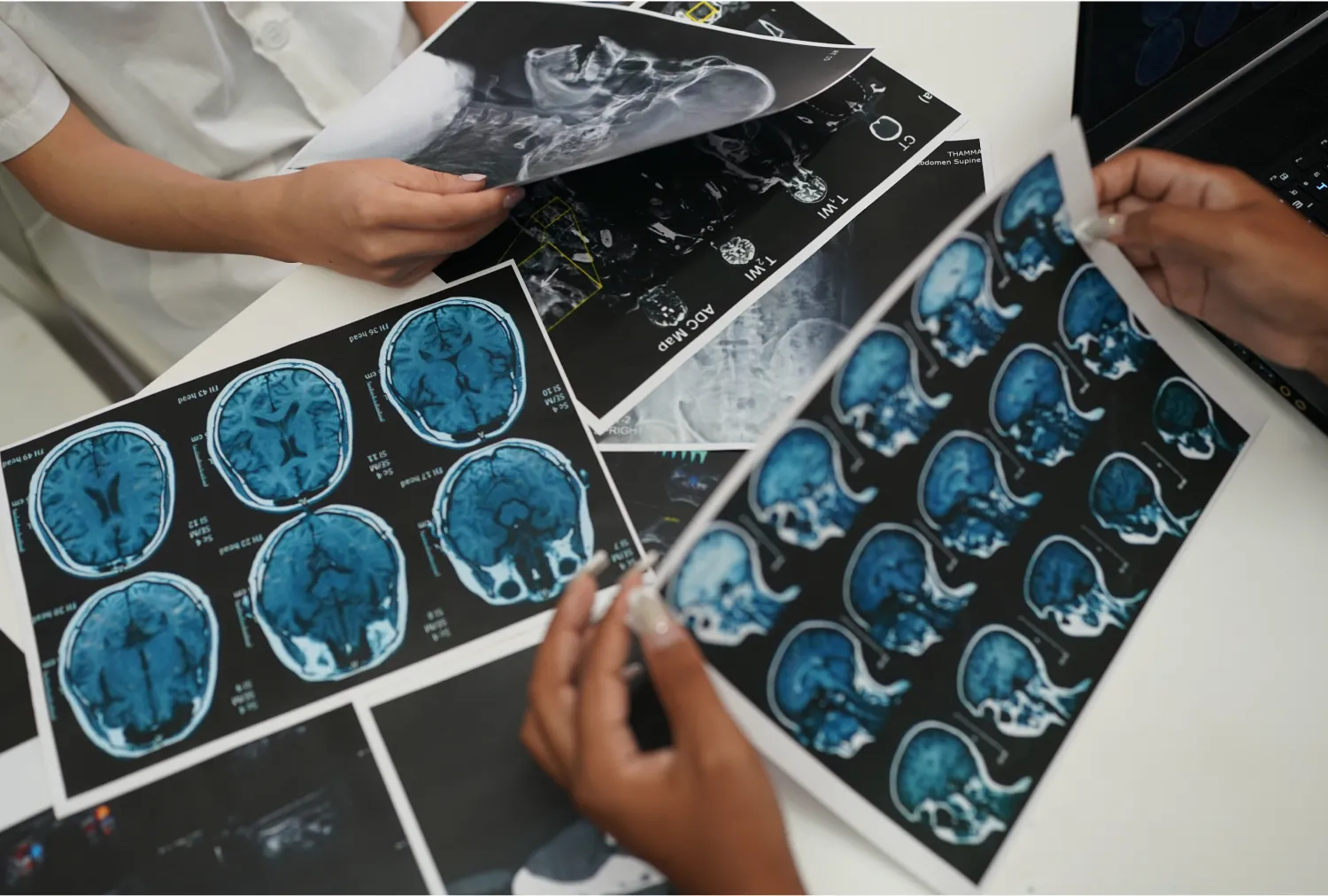
Published on :Aug 23, 2026
Receiving a brain tumor diagnosis can create an overload of emotion. However, advancement in medicine makes it increasingly easy to locate, diagnose, and treat brain tumors. A brain tumor is defined as a mass of abnormal cells in the brain. Once patients and families recognise the warning signs, diagnostic techniques, and treatment options for brain tumors, they will be able to take control of their treatment and related decisions.
Recognised Brain Tumor Symptoms
Symptoms differ greatly due to the size and location of the tumor in addition to the speed of growth. The brain controls all the functions of the body, so pressure from the mass can contribute to neurological changes.
- Persistent headaches: Headaches that often feel worse in the morning and their intensity can change when changing positions.
- Sensory changes: Common warning signs include the occurrence of severe headache with vision disturbances such as blurred vision, double vision, or loss of peripheral vision.
- Seizures: The sudden appearance of seizures in someone previously free from epilepsy is a strong indicator of the possible presence of a serious condition.
- Cognitive and motor signs: Mild personality changes, forgetting something, changes in balance, or one-sided weakness.
Essential Stats & Facts
- Primary vs. Secondary: Metastatic (secondary) brain tumors, those that spread to the brain from other parts of the body—are far more common than primary brain tumors, outnumbering them roughly 4 to 1.
- Survival Progress: Due to early detection and advanced microscopic procedures, the five-year survival rate for certain non-malignant tumors exceeds 90%.
Diagnosis: Accurate Localization and Mapping
Before treatment can start, the person must be diagnosed and the specialists must find the tumor’s edges via high-tech imaging. This will help them determine if it is a benign brain tumor or a bad tumor.
Determining Benign vs. Malignant Brain Tumor Status
One of the most important points in the diagnosis is determining if a benign vs malignant brain tumor. Benign tumors are not cancerous and grow slowly with well-defined edges although they can cause severe symptoms from the pressure in the skull. Malignant tumors are cancerous, grow quickly, and invade neighboring brain tissues.
The Role of Advanced Imaging
To assess the tumor, the specialist will arrange for an MRI study of the brain. This non-invasive method provides very detailed cross-sectional images of the brain, allowing doctors to determine its size, blood supply, and location.
Modern Brain Tumor Treatment Protocols
The current practice of medicine operates through a highly integrated multidisciplinary treatment strategy that is adapted to each person’s unique medical needs.
1. Advanced Surgical Resection
For the majority of reachable tumors brain surgery is the first treatment option. The goal is to remove tumor tissue while leaving healthy brain cells intact. In addition to that, performing surgeries at specialized neurosurgery hospitals in Bangalore means getting access to intricate intraoperative monitoring and nanotechnology systems that help to avoid damage to important areas of the brain responsible for speech and motion.
2. Radiation and Targeted Therapies
In case it is impossible to remove tumor contents surgically due to the nature of the problem other types of treatment come into the play. Thus radiation therapy brain tumors can destroy one’s remaining abnormal cells or help shrink tumors located quite deep. Other types of medical interventions such as personalized medicine including chemotherapy and immunotherapy may also be employed to prevent tumor cell proliferation.
Conclusion
Facing a neurological condition requires swift action and specialized medical expertise. Early detection through advanced neuroimaging combined with modern, precision-guided surgical techniques offers the best path toward recovery and a better quality of life. So, book your appointment with DHEE Hospitals and get all the assistance you need.
Frequently Asked Questions (FAQs)
1. What are the earliest brain tumor symptoms that require medical attention?
The earliest red flags include new or changing headaches, sudden seizures, unexplained nausea, and a progressive headache and vision problems.
2. How long does an MRI brain scan take to diagnose a tumor?
The non-invasive scan typically takes between 30 to 45 minutes to capture highly detailed, multi-dimensional images of your brain structure.
3. What is the fundamental difference in a benign vs malignant brain tumor?
Benign tumors grow slowly and are not cancerous. They also have clear boundaries. Contrarily, malignant tumors are cancerous and invade neighboring areas of the brain.
4. What are the main risks associated with advanced brain tumor surgery?
The risks for the surgery are the chances of having localized infection, bleeding, or temporary swelling. The risks also depend on the specific area of the brain operated on.
5. How does specialized radiation therapy brain treatment destroy abnormal cells?
Specialized brain radiation therapy utilizes high-energy beams such as X-rays or proton beams that are directed towards the tumor mass destroying DNA of the cells and preventing further division.
6. Can a primary brain tumor spread to other organs in the body?
Primary brain tumors rarely spread to any of the organs of the body unlike other cancers.
7. How long is the typical hospital stay after undergoing neurosurgery?
Patients rarely spend less than one week in the hospital where their neursurgical condition would be monitored.
8. How can DHEE Hospitals assist with my brain tumor treatment?
The comprehensive neuroscience department at DHEE Hospitals features an expert team for neurosurgery Bangalore, offering advanced high-resolution imaging, state-of-the-art microscopic surgeries, and personalized rehabilitation programs to guide your recovery.





 WhatsApp Us