 9900550134
 info@dheehospitals.com


 Trauma and Orthopaedics
 Pediatrics
 Gastroenterology
 Obstetrics and Gynecology
 Neurosurgery and Neurology
 Family Medicine
 Cardiology
 General Medicine
 Oncology and Immunology
 Oncology
 Nephrology
 Nutrition and Dietetics
 Adult Intensive Care
Published on :Oct 26, 2026
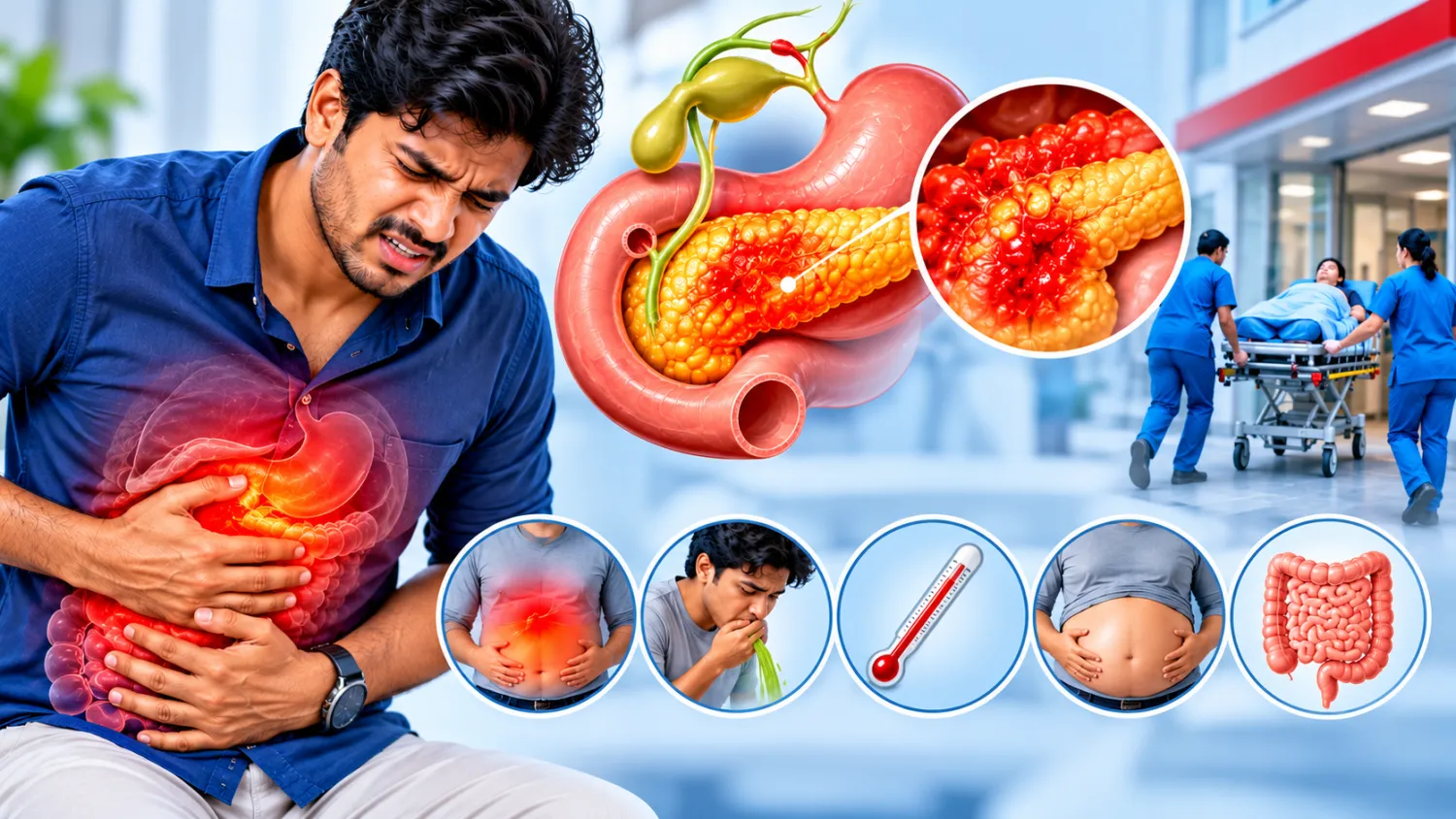
A strong pain develops near the top of your abdomen. It does not settle, may spread towards your back, and leaves you feeling nauseated or unable to eat. You might initially blame acidity, but persistent, intense pain needs assessment.
Acute pancreatitis is inflammation of the pancreas that usually requires hospital care. Early assessment helps identify the cause, manage symptoms and detect complications.
If you are searching for pancreatitis treatment Bangalore, seek emergency assessment when pain is severe rather than waiting for a routine consultation.
What Is Acute Pancreatitis?
The pancreas sits behind the stomach. It produces digestive enzymes and hormones, including insulin, which helps regulate blood glucose.
During an acute episode, inflammation can injure pancreatic tissue and affect the surrounding area. Severe illness may also interfere with the lungs, kidneys or circulation.
Many people recover well with treatment. However, severity cannot be judged safely from pain intensity alone.
Acute Pancreatitis Symptoms to Recognise
Symptoms may include:
- Persistent pain near the top of the abdomen.
- Pain spreading towards the back.
- Nausea and repeated vomiting.
- Fever or chills.
- A fast heartbeat.
- Abdominal tenderness or swelling.
Symptoms do not always follow the same pattern. Some people become unwell quickly, while others experience gradually worsening discomfort.
Pancreatitis Pain Location
Pain commonly occurs in the upper central abdomen and may extend through to the back. It can remain constant rather than coming in brief waves.
Location alone cannot confirm the diagnosis. Gallbladder disease, ulcers and other emergencies may cause similar discomfort.
Do not assume that pain is harmless because it resembles an earlier episode of indigestion.
Why Severe Upper Abdominal Pain Needs Urgent Assessment
Pancreatic inflammation can cause fluid loss from the circulation, dehydration and complications affecting other organs.
Hospital assessment helps establish whether supportive care is sufficient or closer monitoring is needed.
Seek immediate help if abdominal pain occurs with fainting, confusion, breathlessness, chest pain or persistent vomiting. Yellowing eyes or skin also needs prompt assessment.
For pancreatitis treatment Bangalore patients should prioritise the nearest appropriate emergency department when seriously unwell. Avoid delaying care while comparing appointments.
What Causes an Acute Episode?
Gallstone Pancreatitis
A gallstone can obstruct drainage near the pancreatic duct, triggering inflammation.
The team checks for gallstones and determines whether a stone remains in the bile duct. Treating the underlying gallbladder problem helps reduce recurrence.
Alcohol-Related Pancreatitis
Alcohol can contribute to pancreatic injury. Be honest about how much and how often you drink; this information guides care.
If you are dependent on alcohol, the team can also manage withdrawal risks safely.
Other Causes
Very high triglycerides, certain medicines, high calcium and some procedures can cause an episode. Occasionally, no cause is immediately identified.
Bring your medication list and mention previous attacks, gallstones and relevant family history.
How Do Doctors Diagnose It?
Diagnosis combines symptoms, examination, blood results and imaging when appropriate.
Lipase Blood Test
Lipase is a digestive enzyme produced by the pancreas. A raised level can support the diagnosis, but the result must be interpreted alongside the clinical findings.
A high number does not, by itself, measure how severe the illness is.
Other blood tests may assess kidney function, glucose, liver markers, triglycerides and inflammation.
Ultrasound
An abdominal ultrasound helps look for gallstones and bile-duct abnormalities. It may be useful even when the pancreatic diagnosis is already clear.
CT Scan for Pancreatitis
A CT is not automatically necessary immediately. It may be recommended when the diagnosis is uncertain, complications are suspected, or improvement does not occur as expected.
Current ACG guidance reserves routine severity imaging for appropriate circumstances, including failure to improve over the first 48–72 hours.
What Does Hospital Treatment Involve?
For pancreatitis treatment Bangalore, care should address both the immediate illness and its cause.
Fluids, Pain Relief and Monitoring
Treatment commonly includes intravenous fluids, pain medicines and medicines for nausea. Fluid amounts require reassessment, particularly with heart or kidney problems.
The team monitors blood pressure, urine output, breathing and blood results. Severe illness may require intensive care.
Nutrition
Prolonged fasting is not routine treatment for every patient. In mild cases, oral food is generally restarted early as tolerated and directed by the team.
If eating is not possible, tube feeding may be used. Do not impose several days of fasting on yourself at home.
Are Antibiotics Needed?
Not routinely. Antibiotics do not treat uncomplicated pancreatic inflammation.
They may be necessary for a confirmed or strongly suspected infection, including infected pancreatic tissue or another bacterial infection.
Will You Need a Procedure or Surgery?
Not everyone does. ERCP may be needed for selected patients with bile-duct obstruction or associated bile-duct infection.
Gallbladder removal is commonly recommended after a gallstone-related episode. Timing depends on severity and complications.
Some fluid collections or damaged tissue require intervention, while others can be monitored. Immediate pancreatic surgery is not the standard approach for every attack.
Recovery and Preventing Another Episode
Recovery varies. Mild illness may improve within days, while complications can require longer treatment.
Follow the discharge plan, avoid alcohol, stop smoking and manage identified causes such as high triglycerides.
Returning pain, fever, vomiting or jaundice needs reassessment. Feeling better does not mean the underlying cause has been addressed.
Conclusion
Persistent, intense abdominal pain deserves prompt attention. Diagnosis, supportive treatment and management of the cause help reduce complications and recurrence.
For pancreatitis treatment Bangalore, seek assessment at DHEE Hospitals. If you need gastro emergency Bangalore services, its medical gastroenterology department provides emergency digestive care; severe symptoms require immediate attendance.
Frequently Asked Questions
Can pancreatitis resemble acidity?
Yes, but persistent or intense pain needs assessment.
Must pain spread to the back?
No. Not every patient has that pattern.
Does everyone need an immediate CT?
No. Imaging depends on diagnostic uncertainty and clinical progress.
Will everyone need surgery?
No. Many recover with supportive treatment.
Should I stop eating for several days?
No. Nutrition should follow the treating team’s advice.
Can it happen without alcohol use?
Yes. Gallstones and other causes are important.
Can another attack occur?
Yes, particularly if the underlying cause remains untreated.
When should I return after discharge?
Seek reassessment for worsening pain, fever, vomiting or jaundice.





 WhatsApp Us