 9900550134
 info@dheehospitals.com


 Trauma and Orthopaedics
 Pediatrics
 Gastroenterology
 Obstetrics and Gynecology
 Neurosurgery and Neurology
 Family Medicine
 Cardiology
 General Medicine
 Oncology and Immunology
 Oncology
 Nephrology
 Nutrition and Dietetics
 Adult Intensive Care
Published on :Nov 28, 2026
Root canal treatment removes inflamed or infected tissue from inside a tooth, helping relieve pain and preserve the natural tooth. The dentist cleans and seals the root canals, then restores the tooth so you can use it comfortably. Local anaesthetic keeps the area numb during treatment. Some tenderness afterwards is common, but increasing pain or swelling needs a dental review.
When might you need root canal treatment?
Inside each tooth is soft tissue called pulp, which contains nerves and blood vessels. Deep decay, a crack, or an injury can cause inflammation or allow bacteria to reach this tissue. Symptoms may include lingering sensitivity to hot or cold food, pain when biting, swollen gums, or a recurring gum boil.
Not every painful tooth needs this treatment. Your dentist examines the tooth and may take an X-ray to check the roots, surrounding bone, and whether enough healthy tooth remains to restore it.
Does a severe toothache need urgent care?
Yes, particularly if pain stops you sleeping, does not settle with suitable pain relief, or comes with swelling or fever. If an abscess forms, it will not disappear permanently without dental care.
Go to an emergency department immediately if swelling makes breathing, swallowing, or speaking difficult, or spreads towards the eye or neck.
What happens during the root canal procedure?
Assessment and numbing
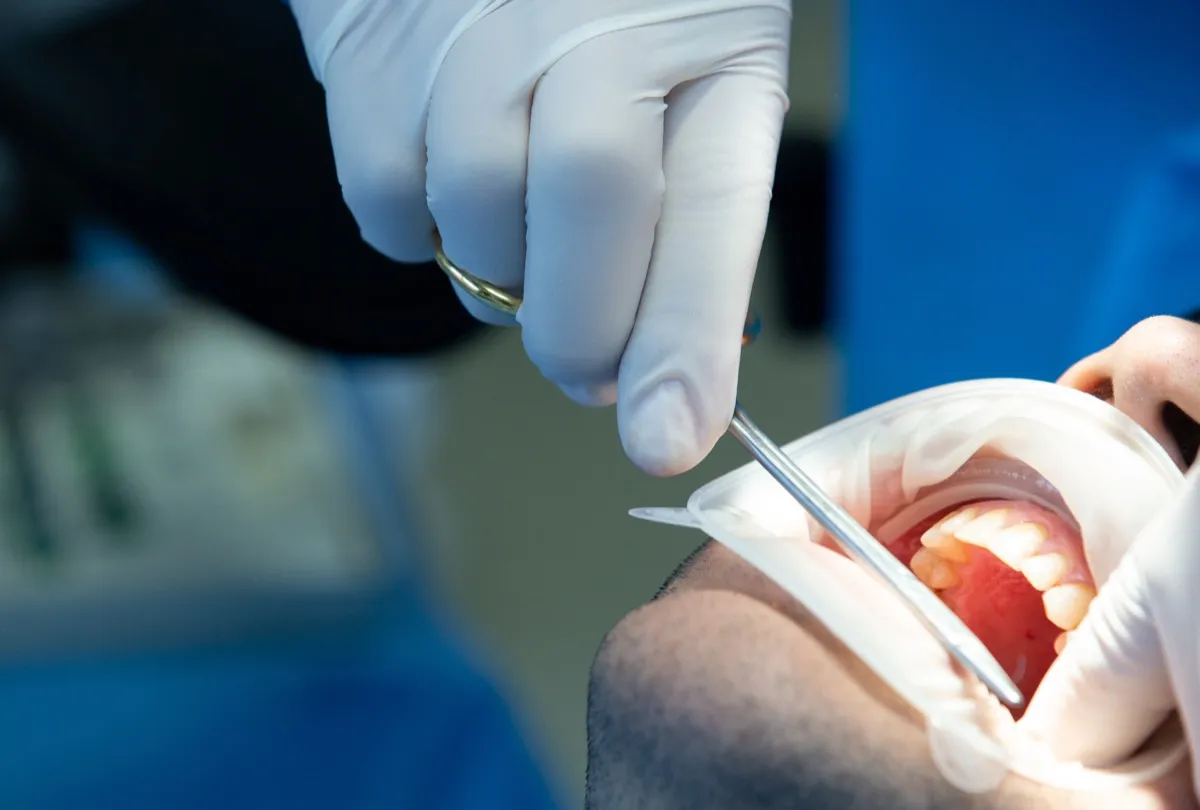
Your dentist reviews the X-ray, checks the tooth, and explains the plan. Local anaesthetic numbs the area. A protective sheet called a dental dam usually isolates the tooth from saliva and helps keep the working area clean.
Cleaning and sealing
The dentist makes a small opening, removes the affected pulp, and cleans and shapes the narrow canals inside the roots. The canals are then filled and sealed. If more than one appointment is needed, a temporary filling protects the tooth between visits.
Restoring the tooth
Once the internal treatment is complete, the tooth needs a secure final restoration. Your dentist will explain which option suits the amount of tooth left and the pressure it takes when you bite.
What should you expect from root canal pain?
During treatment, you may feel pressure or movement, but you should not have to tolerate sharp pain. Tell the dentist if the area does not feel numb enough so they can pause and adjust the anaesthetic.
Afterwards, the tooth may feel tender when biting for a few days. Your jaw can also feel sore from keeping your mouth open. Follow the pain-relief advice provided, including any precautions related to your health or medicines. Pain that worsens, returns after settling, or comes with visible swelling needs prompt assessment.
What affects root canal cost?
The fee depends on which tooth needs care and how complex the work is. Back teeth usually have more canals and can take longer to treat. Curved or narrow canals, previous treatment, and the final restoration can also affect the estimate.
Before starting, ask for a written breakdown covering:
- Consultation and necessary imaging.
- Internal treatment and temporary fillings.
- The final filling, crown, or other restoration.
- Follow-up visits and any additional work.
There is no single price that fits every tooth. Ask DHEE Hospitals’ dental team to confirm current charges after an examination.
Will you need a dental crown after root canal?
Often, particularly for a back tooth that takes heavy chewing pressure or has lost substantial structure. A crown covers and protects the remaining tooth. Some teeth with enough sound structure may be suitable for another restoration.
Ask when the final restoration should be completed. A temporary filling is an intermediate step, and biting heavily on an unrestored tooth can increase the risk of fracture.
How long does recovery take?
Many people return to desk work or their usual routine soon afterwards. Numbness may last several hours, so avoid chewing until sensation returns to prevent biting your cheek or tongue.
For the next few days:
- Choose foods you can chew comfortably.
- Avoid hard foods and heavy biting on the affected side until cleared.
- Brush and clean between your teeth gently.
- Attend the appointment for your permanent restoration.
Contact your dentist if the bite feels unusually high, a temporary filling comes out, or symptoms return.
When might an endodontist be needed?
This specialist focuses on the tissues inside the tooth and around its roots. Your dentist may recommend specialist care for difficult anatomy, persistent symptoms, or a tooth that needs treatment again. Referral does not automatically mean the tooth cannot be saved.
Conclusion
Root canal treatment can help preserve a tooth that might otherwise need removal. If you have persistent sensitivity, pain when biting, or gum swelling, book an assessment with the dental team at DHEE Hospitals on Kanakapura Road, Bangalore, to discuss your options and an individual estimate.
Frequently asked questions
1. Can tooth infection treatment be managed with antibiotics alone?
Usually not. Antibiotics may be needed for spreading infection, but they do not remove infected tissue inside the tooth. Dental treatment addresses the source.
2. How many appointments will I need?
It varies with the tooth and infection. Some cases need one visit; others require several appointments before the tooth is ready for its final restoration.
3. Is extraction a better option?
It depends on whether the tooth can be restored reliably. Discuss the expected outcome and the options for replacing it if removal is necessary.
4. Can a tooth need treatment without hurting?
Yes. Damaged or infected pulp does not always cause pain. Examination and imaging can reveal problems that symptoms alone do not show.
5. Can I eat after my appointment?
Wait until the numbness wears off, then follow your dentist’s instructions. Start with comfortable foods and avoid heavy chewing on the treated tooth.
6. Can the infection return?
Yes, sometimes. New decay, leakage, a crack, or complex canal anatomy can contribute. Reassessment may identify whether further care can save the tooth.
7. Will the tooth still feel pressure?
Yes. The tissues around the root remain alive and can sense pressure, even after the pulp has been removed.
8. How long can the tooth last?
A well-treated, properly restored tooth can last many years. Daily cleaning, regular check-ups, and timely repair of new problems help protect it.





 WhatsApp Us