 9900550134
 info@dheehospitals.com


 Trauma and Orthopaedics
 Pediatrics
 Gastroenterology
 Obstetrics and Gynecology
 Neurosurgery and Neurology
 Family Medicine
 Cardiology
 General Medicine
 Oncology and Immunology
 Oncology
 Nephrology
 Nutrition and Dietetics
 Adult Intensive Care
Published on :Nov 28, 2026
Appendix surgery, also called an appendectomy, removes an inflamed appendix. Doctors often recommend it when appendicitis is confirmed or strongly suspected. Many people return to light routines within one to two weeks after an uncomplicated operation, but recovery can take longer if the appendix has burst.
If abdominal pain is severe, go to the nearest emergency department. Pain that keeps getting worse or moves towards the lower right side also needs urgent assessment. You do not need to wait for a fever to develop.
What are the common appendicitis symptoms?
Pain often starts around the belly button and moves towards the lower right abdomen over several hours. Walking, coughing, or travelling over bumps may make it hurt more. Other signs can include loss of appetite, nausea, vomiting, and a raised temperature. Some people also develop constipation or diarrhoea.
Can the appendix pain location vary?
Yes. Young children, older adults, and pregnant people may have pain in a different place or symptoms that are less obvious. A urinary infection, kidney stone, or a problem involving the ovaries can also cause similar pain. If pregnancy is possible, tell the medical team straight away, as an ectopic pregnancy can cause abdominal pain and needs urgent care.
When is it more than a stomach ache?
One clue is that the pain keeps building rather than settling. If the appendix bursts, pain can briefly ease before becoming severe and spreading across the abdomen. Do not take a short period of relief as a sign that the problem has passed.
How do doctors diagnose appendicitis?
The doctor asks when the pain began, whether it has moved, and what makes it worse. They examine your abdomen and may request blood tests, a urine sample, and a pregnancy test if relevant. An ultrasound or CT scan can help identify an inflamed appendix or another cause of the pain.
No single test confirms every case. Sometimes the team will observe you in hospital and repeat the examination. If the findings strongly suggest a burst appendix or a serious infection, waiting for another test may be unsafe.
What does appendicitis treatment involve?
Removing the appendix is a common treatment. In selected cases where the appendix has not burst and there are no other complications, the hospital team may offer antibiotics alone. Symptoms can return after this approach, and some patients still need an operation. If a pocket of pus has formed, the team may recommend drainage and antibiotics, depending on what they find.
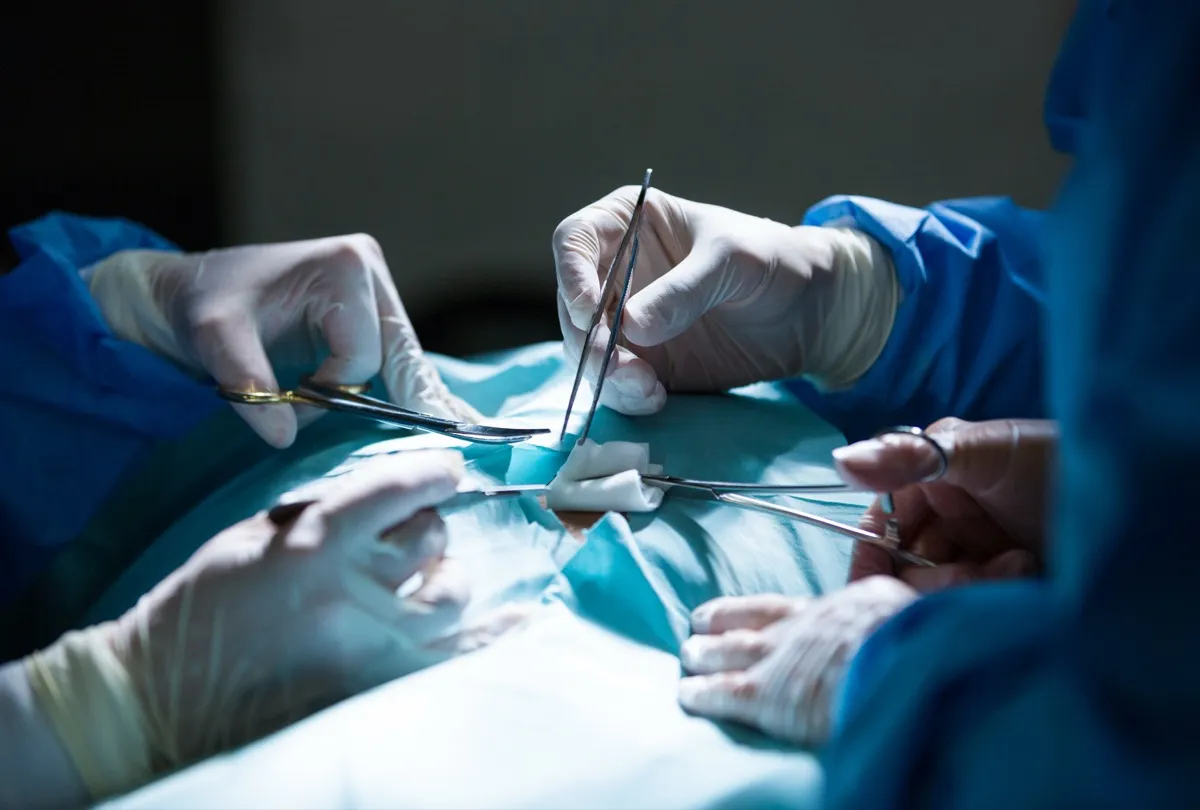
What happens during appendix surgery?
How is a laparoscopic appendectomy performed?
You receive a general anaesthetic, so you are asleep during the procedure. The surgeon makes small cuts in the abdomen and uses a thin camera to see inside. Instruments passed through the openings separate the appendix from the bowel and remove it. The cuts are then closed with stitches, clips, or surgical glue.
When might an open operation be needed?
A general surgeon may recommend a larger incision if the appendix is difficult to reach safely or infection has spread. Sometimes the team makes this decision during the operation after seeing what is happening inside. A burst appendix does not always mean open surgery is necessary.
What is the usual appendectomy recovery time?
After uncomplicated keyhole surgery, some people can leave hospital the next day. Many need about one to two weeks away from work or school. Open surgery, a burst appendix, or a job that involves lifting can mean a longer recovery. Ask your surgical team what to expect based on what they found during your operation.
What helps once you are home?
- Move gently. Start with short walks as advised and increase the distance as you feel able. Ask when you can lift heavy bags or return to sport.
- Follow your wound care instructions. Before leaving hospital, check when you can shower and whether your dressings or stitches need attention.
- Take medicines as directed. If you are prescribed antibiotics, complete the course unless your clinician advises otherwise.
Which symptoms should you report after surgery?
Contact your surgical team promptly if pain worsens instead of easing, you develop a fever, or your wound becomes increasingly red, swollen, or starts leaking pus. Repeated vomiting or difficulty keeping fluids down also needs prompt advice. If you develop severe abdominal pain or feel very unwell, go to an emergency department.
Conclusion
When abdominal pain keeps worsening, getting it checked matters more than working out the cause at home. For emergency abdominal pain in South Bangalore, seek immediate assessment at the nearest emergency department, including DHEE Hospitals on Kanakapura Road if it is your closest option.
Frequently asked questions
1. Can I have appendicitis without a fever?
Yes. Fever may be absent, especially early on. Get persistent or worsening abdominal pain checked even if your temperature is normal.
2. Can children describe the pain differently?
Yes. A young child may say their whole tummy hurts, eat less, or avoid moving because it hurts. They may not be able to point to one spot.
3. Can I live normally without an appendix?
Yes. Most people do not need a special diet or long-term treatment because their appendix was removed.
4. Can appendicitis come back after antibiotics?
Yes. If the appendix stays in place, it can become inflamed again. Get urgent assessment if similar pain returns.
5. When can I eat after the operation?
Your team will tell you when it is safe to start drinking and eating. If you feel nauseated, small amounts may be easier at first.
6. Is shoulder pain normal after keyhole surgery?
Mild shoulder-tip discomfort can occur from the gas used during the operation and should settle. Sudden chest pain or difficulty breathing needs emergency care.
7. When can I drive again?
Follow your surgical team’s advice. You should be able to sit comfortably and make an emergency stop safely. Do not drive while taking medicines that make you drowsy.
8. When can I return to the gym?
Gentle walking can usually begin before strenuous exercise. Ask your team when to restart running, weight training, or contact sports.





 WhatsApp Us