 9900550134
 info@dheehospitals.com


 Trauma and Orthopaedics
 Pediatrics
 Gastroenterology
 Obstetrics and Gynecology
 Neurosurgery and Neurology
 Family Medicine
 Cardiology
 General Medicine
 Oncology and Immunology
 Oncology
 Nephrology
 Nutrition and Dietetics
 Adult Intensive Care
Published on :Oct 26, 2026
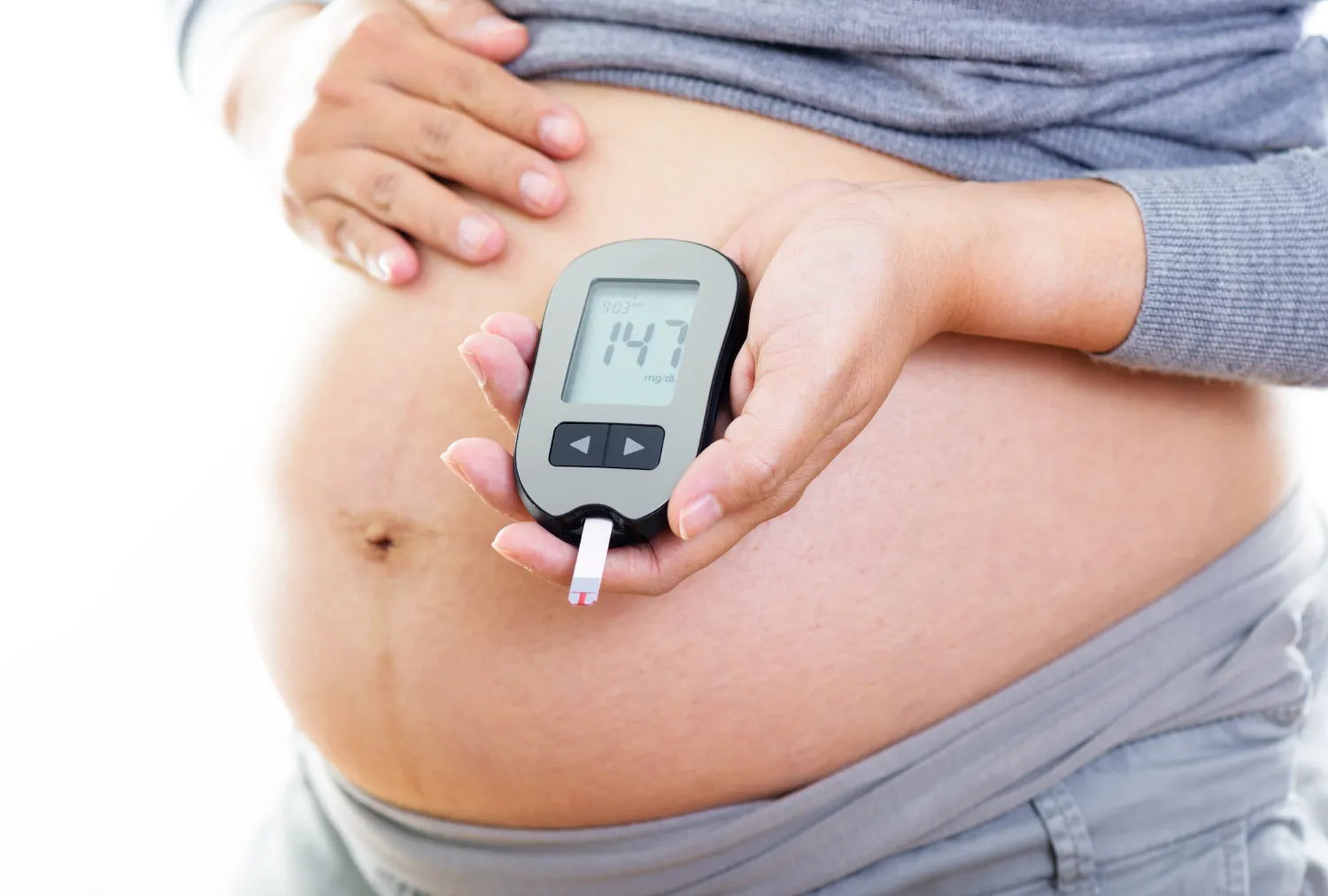
Being told your sugar levels are high during pregnancy can feel worrying. You may wonder whether you must stop eating rice, whether medicines could affect your baby, or whether a normal delivery is still possible.
Gestational diabetes can often be managed effectively with monitoring, balanced meals, suitable activity and medicines when needed. Early care helps reduce complications for both mother and baby.
If you are searching for gestational diabetes treatment Bangalore, start with a care plan that explains your targets and fits your daily routine.
What Is Gestational Diabetes?
Gestational diabetes develops when the body cannot make enough insulin to meet pregnancy’s increased needs. Insulin helps glucose move from the bloodstream into cells.
Pregnancy hormones make insulin work less effectively. When the body cannot compensate, glucose levels rise.
A diagnosis does not mean you caused the condition by eating sweets. It also differs from diabetes diagnosed before pregnancy.
Are There Gestational Diabetes Symptoms?
Many women have no noticeable symptoms. Feeling well does not rule it out, which is why antenatal testing matters.
Unusual thirst or more frequent urination may occur, but these can overlap with normal pregnancy changes. Symptoms alone cannot establish the diagnosis.
Keep scheduled antenatal appointments rather than waiting to feel unwell.
When Is Testing Done?
Testing commonly takes place between 24 and 28 weeks. Your doctor may recommend earlier testing if you have risk factors, such as previous gestational diabetes or a strong family history.
Glucose Tolerance Test in Pregnancy
This involves drinking a measured glucose solution and having blood samples taken at specified times.
Testing protocols vary. Follow your hospital’s instructions about fasting, preparation and timing rather than copying someone else’s experience.
Diagnostic cut-offs are different from daily treatment targets. Your doctor should explain which test was used and what your results mean.
What Are the Targets for Blood Sugar During Pregnancy?
The American Diabetes Association’s 2026 guidance gives these commonly used goals:
| Measurement | Target |
|---|---|
| Fasting, before breakfast | Below 95 mg/dL |
| One hour after a meal | Below 140 mg/dL |
| Two hours after a meal | Below 120 mg/dL |
Your team may individualise targets or use a different protocol. Follow their instructions, including whether to check at one or two hours and when to start timing.
How Should You Track Readings?
Record readings alongside meals, activity and medicines. Bring the record to reviews.
For gestational diabetes treatment Bangalore patients need clear instructions on when to report above-target results. Ask for these thresholds rather than adjusting medicines yourself.
What Should a Gestational Diabetes Diet Include?
The aim is adequate nutrition with more manageable glucose levels—not starvation or removing every carbohydrate.
Balance Familiar Foods
Rice, chapati, idli and dosa may fit into an individual meal plan. Portion size, preparation and accompanying foods matter.
Combine an appropriate carbohydrate portion with protein and vegetables. Options may include dal, eggs, paneer, unsweetened curd or well-cooked fish, depending on your preferences.
Wholegrain choices can help, but large portions may still raise glucose.
Spread Food Across the Day
Regular meals and planned snacks can help distribute carbohydrate intake. A dietitian can adapt portions to your readings, appetite and pregnancy needs.
Avoid skipping meals to compensate for a high result.
Choose Drinks Carefully
Prefer water over sweetened drinks, packaged juices and sugary tea. Whole fruit generally provides more fibre than juice, but portions still matter.
Do not start a restrictive weight-loss diet during pregnancy.
When Are Medicines Needed?
Some women remain above target despite following their meal and activity plan. Needing medicine is not a failure.
For gestational diabetes treatment Bangalore, decisions should consider repeated readings, pregnancy stage and the baby’s growth.
Insulin During Pregnancy
Insulin may be prescribed when lifestyle measures are insufficient. It does not cross the placenta and is a standard treatment option.
Your team should explain injections, dose timing and how to recognise and manage low glucose. Never change doses without guidance.
Other medicines may be considered under local protocols and individual clinical circumstances.
Understanding Diabetes Pregnancy Risks
Poorly controlled glucose can increase the likelihood of:
- A baby growing larger than expected.
- Birth injury or difficult delivery.
- Caesarean delivery.
- High blood pressure or pre-eclampsia.
- Low glucose in the newborn after birth.
These are possible complications, not inevitable outcomes. Treatment and appropriate monitoring help reduce risk.
Does the Diagnosis Mean a Caesarean?
No. Delivery planning depends on glucose control, fetal growth and other obstetric factors. Vaginal delivery may still be appropriate.
What Happens After Delivery?
Glucose levels often improve after birth, but follow-up remains important.
ADA guidance recommends a postpartum glucose tolerance assessment at four to twelve weeks. Later testing is also needed because the risk of type 2 diabetes remains higher.
Confirm your follow-up appointment before leaving maternity care.
Conclusion
Managing gestational diabetes involves understanding your readings, eating adequately and reviewing treatment as pregnancy progresses.
DHEE Hospitals provides dietary counselling, medication management and multidisciplinary support for high-risk pregnancy care Bangalore.
For gestational diabetes treatment Bangalore, book an antenatal consultation at DHEE Hospitals. If you need a gynaecologist near Kanakapura Road, the team can help develop an individual monitoring and treatment plan.
Frequently Asked Questions
Can I have the condition without symptoms?
Yes. Many women feel well, so testing is important.
Must I stop eating rice?
No. Portions and meal balance should be personalised.
Can I eat fruit?
Usually yes, in suitable portions spread across the day.
Will walking help?
Suitable activity can help; obtain pregnancy-specific advice first.
Does one high reading mean treatment has failed?
No. Record it and follow your team’s reporting instructions.
Will every patient need injections?
No. Some manage with meals and activity alone.
Should I stop medicines after delivery?
Only according to your treating team’s instructions.
Can it happen in another pregnancy?
Yes. Tell your doctor about your history early.





 WhatsApp Us