 9900550134
 info@dheehospitals.com


 Trauma and Orthopaedics
 Pediatrics
 Gastroenterology
 Obstetrics and Gynecology
 Neurosurgery and Neurology
 Family Medicine
 Cardiology
 General Medicine
 Oncology and Immunology
 Oncology
 Nephrology
 Nutrition and Dietetics
 Adult Intensive Care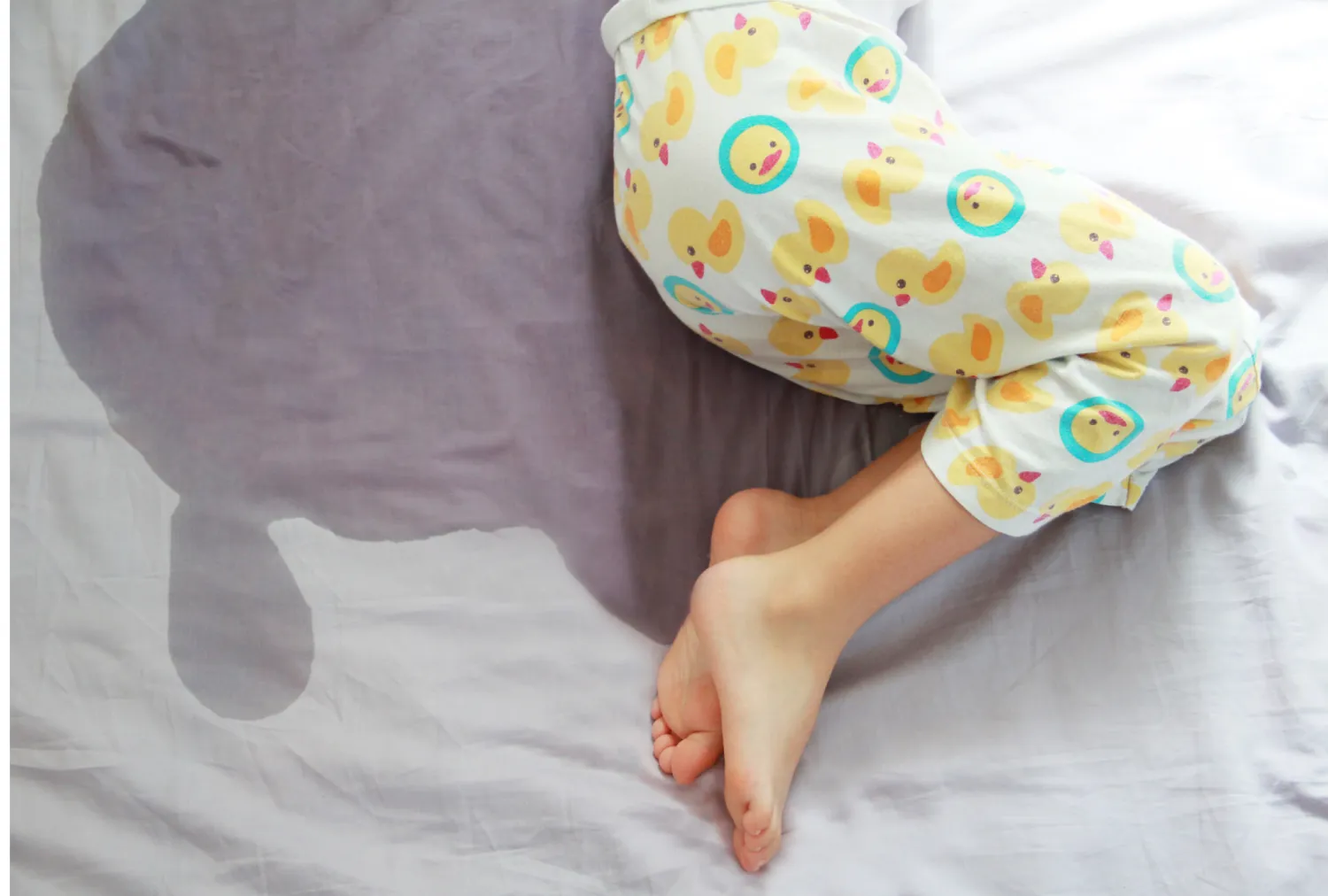
Published on :Aug 23, 2026
Sleeping on soaked bed covers can be annoying for both children and parents. Although sometimes it is considered nothing more than habitual inconvenience, the fact is that continued bedwetting (known medically as nocturnal enuresis) can have a negative impact on a child’s self-esteem and family’s tranquility.
Parents need to understand that this condition is almost never a consequence of laziness or behavioral defiance of their child. In fact, it is usually either a developmental delay or single physical achievement that hasn’t been accomplished yet. Knowing the physiological reasons for bedwetting helps families stop blaming each other and deal with the problem effectively.
What is a Normal Bedwetting Age?
Each child develops his/her own particular way and nighttime dry weathering is usually among the last accomplishments in toilet training.
- Developmental Milestones: Up to a certain point, experiencing nighttime accidents is entirely expected. Medical professionals generally consider a bedwetting age normal up to 5 or 6 years old.
- The Statistical Reality: Clinical data compiles reassuring benchmarks for concerned parents. Approximately 15% of children aged 5 still wet the bed regularly. This number drops naturally to about 5% by age 10, showing that the vast majority of children outgrow this phase without any aggressive intervention.
Underlying Causes of Bedwetting in Kids
In case of consistent accident incidents in children beyond infancy, it is reasonable to explore the medical aspects of bedwetting in children. In most cases, bedwetting is not a result of one issue only but rather several factors affecting the organism development.
1. Physical and Hormonal Imbalances
- Small Functional Capacity: Insufficient bladder capacity: It is possible that some children have a temporary condition when they experience difficulties in elimination of waste from their organism. Their bladder is not yet ready for holding urine produced during sleep.
- Hormonal Deficiencies: To produce urine at night, human body produces a hormone that is called vasopressin. However, in some cases, people do not produce enough of this hormone during the night.
2. Deep Sleep and Nerve Signaling
Children who are bedwetters have a tendency to sleep very deeply. In this case, the neural pathways that are responsible for communicating information about the bladder to the brain are immature in this case and the brain does not receive the signal.
Modern Management and Clinical Treatment Options
There are effective treatment methods in pediatric medicine that can be used when non-drug approaches to bedwetting do not succeed. When behavioral programs do not achieve the desired result, it is necessary to consult with a pediatric urologist who can offer specialized treatment.
1. Behavior and Routine Modification
Timed behavioral bedwetting therapy works best on the first try. The easiest way of treating a child at this stage is usually through the use of moisture alarms. These are devices that beep as soon as moisture is detected, thereby helping the child to learn how to connect the feeling of a full bladder with the need to urinate at night.
2. When Specialist Care is Needed
If the child does not respond to behavioral methods of treatment or starts leaking during the daytime as well, it is necessary to contact a pediatric urologist. The doctor will develop a strict program of treatment for the urinary tract condition of the child, which involves extensive use of medication.
Conclusion
Bedwetting is a common, highly treatable developmental phase that responds remarkably well to patience and proper guidance. By treating the issue with empathy rather than punishment, you protect your child’s emotional well-being while safely guiding them toward dry nights.
FAQs
1. What is the difference between primary and secondary bedwetting?
Primary bedwetting means a child has never been consistently dry at night, while secondary bedwetting occurs when a child suddenly starts wetting again after six or more months of dry nights.
2. At what age should I take my child to see a doctor for bedwetting?
You should consider consulting a medical professional if your child continues to regularly wet the bed after reaching 6 or 7 years of age.
3. Can psychological stress or anxiety trigger bedwetting in children?
Yes, significant life changes like moving to a new home, changing schools, or family stress can trigger a temporary relapse into bedwetting.
4. What are the common medical conditions that can cause sudden bedwetting?
Increased chances of nighttime accidents could be caused by underlying issues such as severe constipation, urinary tract infections (UTIs), and diabetes in children.
5. How long does a standard nocturnal enuresis treatment take to show results?
Behavioral therapy such as bedwetting alarms may be effective after two to three months in those who follow the suggested regime.
6. Are there specific medications available to control nighttime bedwetting?
Yes, by giving medication that decreases nighttime urine production and overactive bladder muscle the doctor can manage bedwetting.
7. Should I wake my child up in the middle of the night to use the bathroom?
Waking up the child one or two times a night can be effective in managing bedwetting.
8. How can DHEE Hospitals assist with my child’s bedwetting issues?
The dedicated pediatric and urology experts at DHEE Hospitals provide detailed diagnostic evaluations, advanced bladder scanning, and customized behavioral or medical therapies to confidently restore your child’s nighttime comfort and confidence.





 WhatsApp Us