 9900550134
 info@dheehospitals.com


 Trauma and Orthopaedics
 Pediatrics
 Gastroenterology
 Obstetrics and Gynecology
 Neurosurgery and Neurology
 Family Medicine
 Cardiology
 General Medicine
 Oncology and Immunology
 Oncology
 Nephrology
 Nutrition and Dietetics
 Adult Intensive Care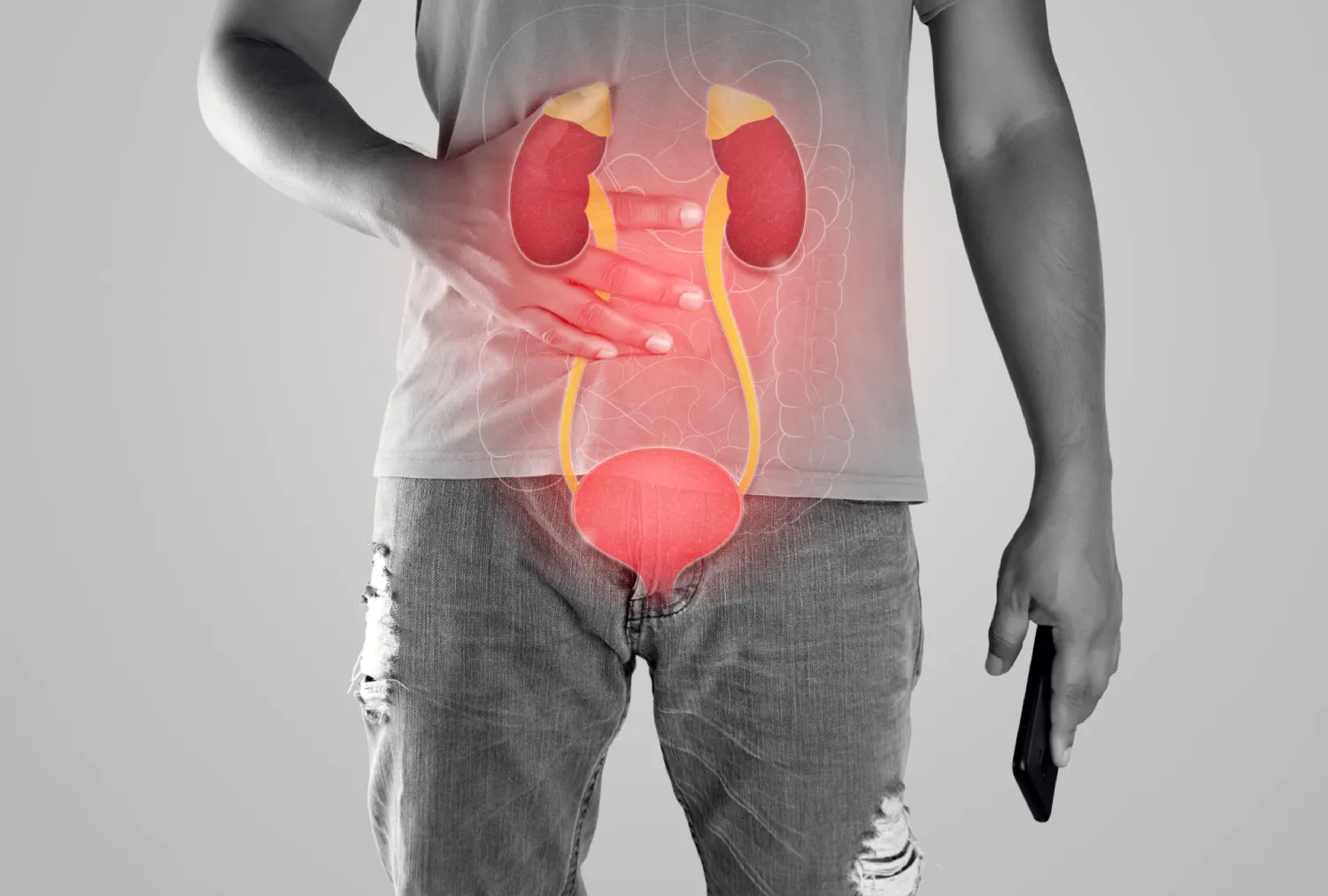
Published on :May 22, 2026
Every year, millions of Indians develop urinary tract infections (UTIs). Women are particularly susceptible, with 50-60% having experienced at least one UTI in their lifetime. Cavity discomfort is often disregarded, but knowing how to prevent a UTI by recognising the signs of infection will allow for prompt treatment and potentially avoid complications.
UTI Symptoms Causes Prevention
Urinary tract infections (UTIs) occur when bacteria, typically from the digestive tract, such as Escherichia coli (E. coli), enter the urinary system. Women are at a greater risk of developing a UTI due to their:
- Short urethras,
- Poor hygiene,
- Dehydration
- And habits like holding urine for extended periods.
Other predisposing risk factors include diabetes, pregnancy, and the use of certain contraceptive methods.
To take action early, UTI symptom-causing factors must be identified as soon as possible. Classic symptoms of a urinary tract infection include:
- Urinary frequency,
- Urgency,
- Burning sensation experienced while urinating,
- Cloudy or foul-smelling urine,
- Lower abdominal pain,
- Peeing tiny quantities of urine frequently,
- Or fatigue.
These subtle symptoms should not be ignored. Being aware of the UTI vs kidney infection difference is critical. The difference between a bladder infection and a kidney infection is that a bladder infection stays in your pelvic area and causes primarily pelvic-related issues. While a kidney infection can cause significant systemic symptoms including elevated body temperature, back pain, etc.
Urinary Tract Infection Treatment in Women and Recurrent Issues
A common urinary tract infection treatment in women is by taking a short course of antibiotics after a nurse has analysed the test results for bacterial growth from a sample of urine. It’s important to complete the entire course of antibiotics even if the symptoms of the infection subside within a few days.
Recurrent Urinary Tract Infections (UTIs) occur commonly in females and in adults for a number of reasons, such as
- Not finishing the entire cycle of antibiotics,
- Anatomical issues present,
- Low immunity,
- And a habit of not drinking enough fluids.
Women who experience more than two urinary tract infections within six months should talk to their doctor about prevention. Urinary tract infection has gained attention in India due to the emergence of antibiotic-resistant strains of bacteria, which can be treated with commonly prescribed antibiotics.
Cranberry juice is also commonly believed to treat UTIs, but research shows that it does not cure UTIs once an infection has developed. Staying hydrated is by far the best way to help treat and prevent urinary tract infections. Eating a healthy, well-balanced diet is also important to help prevent UTIs.
There are other common practices or everyday habits that may decrease the risk of developing a UTI. Here are a few:
- Drink 2-3 litres of water daily
- Wipe from front to back after using the toilet
- Urinate after intimacy
- Avoid holding urine for long periods
- Wear breathable cotton underwear
When to Seek Help and Long-Term Management
Timely treatment is key to treating urinary tract infections in women to improve outcomes. Self-treating with leftover antibiotics could make antibiotic resistance worse, particularly for UTIs, in India.
Recurrent UTI causes in adults need further investigation, including an ultrasound or other tests. So, if you are experiencing any symptoms, book your appointment with Dhee Hospital and get treated early to resume normal lives shortly after.
FAQs
Q: What is the first sign/symptom of having a UTI, and how can I avoid getting one?
Possible signs/symptoms of a UTI often are pain/burn during urination, a constant urge to urinate, and lower abdominal pain. Drink plenty of water, practice good hygiene, and see a doctor to confirm your symptoms.
Q: Can a woman have UTI symptoms without burning?
Yes, especially with frequent urination, dark/cloudy urine, and/or fatigue. Being tested is still necessary.
Q: How can I tell the difference between a UTI and a kidney infection?
A kidney infection often presents with fever and/or chills, in addition to back pain; while a UTI usually only presents symptoms within the bladder.
Q: What helps with recurring UTI causes in adults?
Better hydration, post-sex urination, and perhaps preventive medications after consulting with your doctor.
Q: Is cranberry juice for UTI myth or a fact?
It may help with prevention, but it does not treat an active infection.
Q: Why is UTI Antibiotic resistance in India a problem?
Some bacteria have become resistant to treatments due to overuse, so we must ensure that proper testing and completing a full course of antibiotics occur.
Q: What are good UTI home remedies and hydrating practices?
Drinking enough water, minimising caffeine or alcohol consumption and urinating often will help eliminate toxins from the body.
Q: When should women seek treatment for a urinary tract infection?
As soon as possible when signs of infection are noticed (especially if pregnant, diabetic, or have heavily symptomatic urinary tract infections).





 WhatsApp Us